

If you’re a CHRO navigating the shift to decentralized organizational structures, you’re facing the challenge of balancing agility with cohesion across dispersed teams. Integral leadership offers a holistic approach—helping you design systems that foster autonomy while maintaining alignment, trust, and high performance. By the end of this guide, you’ll understand how to apply integral principles to lead transformation, avoid common pitfalls, and measure what truly matters in decentralized environments. According to DDI World research, only 14% of CEOs believe they have the leadership talent needed to drive growth, making structured leadership development a strategic imperative.
Why Decentralization Is Now a Strategic Imperative for CHROs
If you’ve ever tried to drive transformation in an organization where decision-making is slow and innovation feels stuck, you’ve probably noticed how traditional, centralized structures can become bottlenecks. As business environments become more volatile, CEOs and boards are demanding more agility, flexibility, and speed from HR leaders. The pressure is real: 78% of CEOs emphasize the growing importance of organizational agility in workforce management (SHRM, CEO Priorities and Perspectives, 2026). The ICF/PwC Global Coaching Study confirms that executive coaching delivers an average ROI of 529%, with organizations reporting measurable improvements in leadership effectiveness and business outcomes.
Most teams assume that simply flattening the hierarchy or giving teams more autonomy will unlock agility. But research consistently demonstrates that without a holistic approach, decentralization can just as easily lead to fragmentation, misalignment, and even cultural drift. The real challenge for CHROs isn’t just shifting the org chart—it’s designing systems that empower distributed teams while preserving a shared sense of purpose and accountability.
What Is a Decentralized Organizational Structure—and Why Does It Matter?
A decentralized organizational structure distributes decision-making authority away from a central figure or group, giving more autonomy to teams, business units, or regions. This model is gaining traction as organizations seek to respond faster to local market needs, accelerate innovation, and engage employees more deeply. According to Deloitte, only 38% of all companies (and 24% of large companies >50,000 employees) still use purely functional (centralized) structures, with a shift toward network-of-teams or decentralized models (Deloitte, Human Capital Trends, 2016).
But here’s the thing: decentralization isn’t just about structure. It’s about culture, leadership, and systems that support distributed decision-making without sacrificing coherence. Organizations that score highest on “Flat and Decentralized Systems” are classified as “Growth Collaborator” cultures—combining long-term growth mindsets with flexibility and autonomy (SHRM, Global Workplace Culture Report, 2026). This means decentralization, when done right, can actually strengthen culture and performance.
If you want a deeper dive into the concept and benefits of decentralized models, the decentralized organizational structure resource breaks down the core principles and practical implications for HR leaders.
The Integral Leadership Approach: Moving Beyond Structure
Most guides on decentralization focus on process maps and reporting lines. But what if the real leverage point is leadership mindset and developmental capacity? Integral leadership is a framework that helps CHROs see the organization as a living system—where structure, culture, people, and strategy are deeply interconnected.
Integral leadership draws on models like AQAL (All Quadrants, All Levels), which encourages leaders to consider multiple perspectives: individual and collective, internal and external, short-term and long-term. In practice, this means CHROs don’t just “implement” decentralization—they architect environments where autonomy, alignment, and adaptability reinforce each other.
“Nearly half (46%) of CHROs identified leadership and manager development as one of their top three priorities for 2026.”
(SHRM, CEO Priorities and Perspectives, 2026)
This statistic reflects a deeper shift: as organizations decentralize, the quality of leadership at every level—not just the top—becomes the critical success factor. If you’re curious about the foundational principles and real-world applications of this approach, the integral leadership primer is a useful starting point.
How Can CHROs Maintain Cohesion and Performance in Decentralized Models?
One of the biggest fears about decentralization is that it leads to chaos or a loss of control. But the evidence suggests otherwise—if you have the right frameworks in place. So, what does it take to keep teams aligned and performing when authority is distributed?
1. Clarify Purpose and Non-Negotiables
Decentralized organizations thrive when everyone is clear on the “why” behind their work. CHROs must ensure that core values, vision, and strategic priorities are not just communicated, but deeply understood and lived at every level. This creates a “north star” that guides autonomous teams, even as they make independent decisions.
2. Build Shared Language and Rituals
Most teams assume that simply rolling out new collaboration tools will keep everyone connected. But research shows that shared language, rituals, and feedback loops are what actually sustain culture in decentralized environments. This means investing in regular cross-team forums, leadership roundtables, and storytelling practices that reinforce the organization’s identity.
3. Develop Distributed Leadership Capabilities
Decentralization raises the bar for leadership everywhere—not just at the top. CHROs should focus on leadership development programs that equip managers and team leads to coach, empower, and align their people. This isn’t just about skills; it’s about cultivating the mindsets needed to thrive in complexity. For practical strategies, see the leadership development resource.
4. Use Metrics That Matter
Traditional KPIs often fall short in decentralized settings. Instead, CHROs need to track indicators like trust, alignment, innovation, and the speed of decision-making. These “soft” metrics are actually leading indicators of performance and resilience. For specific frameworks, the decentralization metrics guide offers actionable tools.
What Frameworks or Models Guide the Design of Decentralized Organizations?
Let’s get practical: how do you move from a centralized to a decentralized model without losing control or clarity? Drawing on TII’s two-decade integral methodology, here’s a stepwise framework for CHROs:
-
Assess Readiness:
Use self-assessment tools to gauge the organization’s current culture, leadership maturity, and appetite for autonomy. Are your teams ready to handle more decision-making power? -
Define the “Why”:
Articulate the strategic reasons for decentralization—whether it’s speed, innovation, customer proximity, or talent engagement. Make sure this purpose is widely understood. -
Map Decision Rights:
Clearly define which decisions are made centrally, which are distributed, and which require cross-functional input. This prevents confusion and power struggles. -
Pilot and Iterate:
Start with “safe-to-fail” pilots in select teams or business units. Gather feedback, measure outcomes, and refine the approach before scaling. -
Invest in Leadership and Culture:
Prioritize leadership development, psychological safety, and mechanisms for shared learning. Decentralization is as much about mindset as it is about structure. -
Monitor and Adapt:
Use a mix of quantitative and qualitative metrics to track progress. Be ready to course-correct as new challenges emerge.
“Only 28% of U.S. organizations described their extended enterprise risk management structure as equally or more decentralized than centralized; globally, 43% reported decentralized or equal structures.”
(Deloitte, Extended Enterprise Risk Management Survey, 2018)
This statistic highlights a key insight: while decentralization is gaining ground, most organizations are still in transition. The CHRO’s role is to lead this transition with clarity, empathy, and rigor.
For more on the underlying logic and stepwise process, the organizational design guide provides detailed frameworks and checklists.
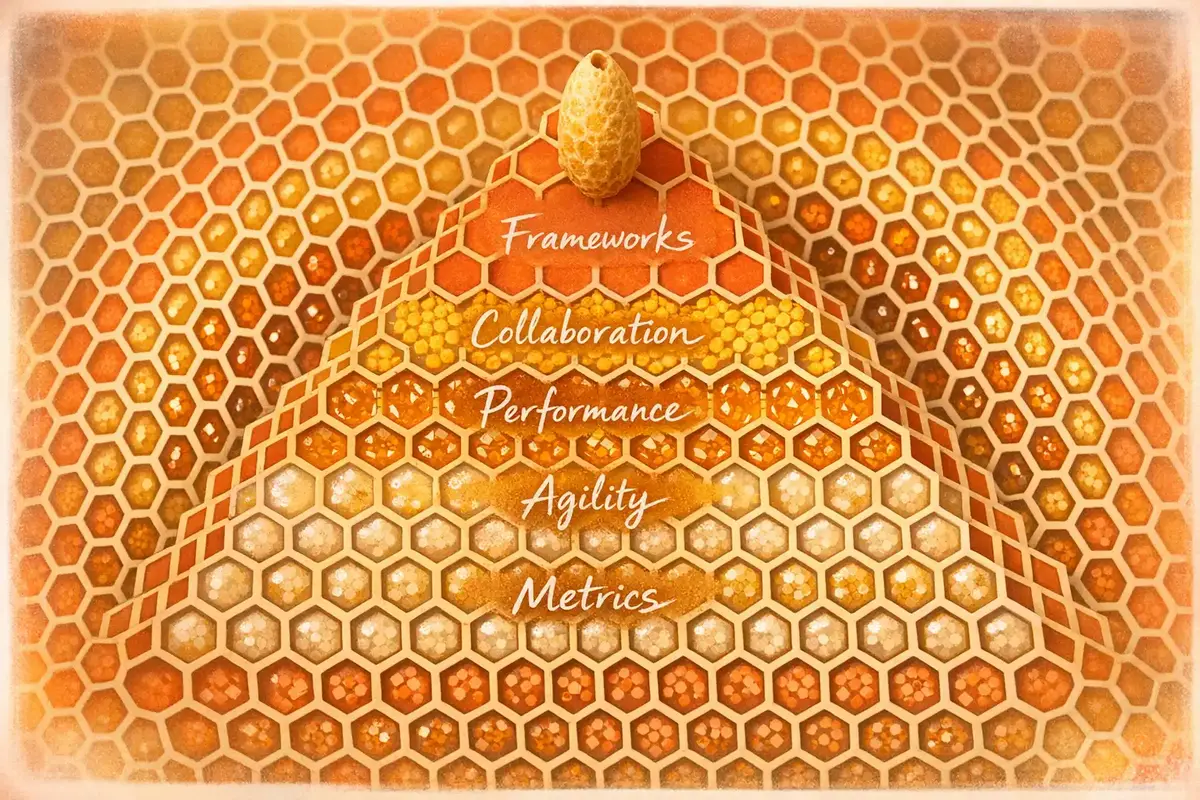 AQAL model and its application to organizational design” title=””>
What Are the Most Common Pitfalls for CHROs in Decentralization?
Most CHROs embarking on decentralization underestimate the complexity of the transition. Here are the traps to watch for:
1. Fragmentation and Siloing
It’s tempting to believe that more autonomy will automatically drive innovation. In reality, without intentional mechanisms for cross-team collaboration, decentralized organizations can quickly devolve into silos—each pursuing its own agenda. The antidote? Invest in shared rituals, cross-functional projects, and transparent communication channels.
2. Leadership Gaps at the Middle
Decentralization puts enormous pressure on middle managers, who often lack the training or confidence to lead in ambiguity. CHROs need to upskill these leaders, not just in technical expertise, but in coaching, facilitation, and systems thinking.
3. Losing Sight of Culture
Some leaders assume that culture will “take care of itself” as teams gain autonomy. But research shows that decentralized organizations with strong, cohesive cultures outperform those that leave culture to chance. This means CHROs must be proactive in defining, measuring, and reinforcing cultural norms.
4. Over-Indexing on Structure, Under-Indexing on Development
Most transformation efforts focus on restructuring org charts—but neglect the developmental stage of the organization. Integral theory suggests that readiness for decentralization depends on the collective maturity of the system, not just its structure. This means assessing not only “what” you’re changing, but “who” is ready for change.
How Do Successful Companies Implement and Sustain Decentralization?
Let’s look at how leading organizations have navigated this journey:
- Johnson & Johnson and Coca-Cola have long operated with decentralized business units, empowering local leaders while maintaining strong central values and brand standards.
- Amazon uses its “two-pizza teams” model to drive autonomy and speed, while aligning teams through shared metrics and leadership principles.
- Spotify’s “squad” structure gives teams end-to-end ownership, supported by a culture of radical transparency and continuous learning.
- Zappos experimented with holacracy, learning that structure alone isn’t enough—leadership development and culture are critical to sustaining change.
What unites these examples? Each organization treats decentralization as an ongoing practice, not a one-time event. They invest heavily in leadership, culture, and measurement—adapting as they learn.
What Metrics and KPIs Track Success in Decentralized Environments?
Traditional performance metrics—like output per employee or profit per division—tell only part of the story in decentralized organizations. CHROs need to track new indicators that reflect the health and resilience of the system:
- Trust and Psychological Safety: Are teams willing to share information, take risks, and admit mistakes?
- Alignment with Purpose: Do employees understand and act on the organization’s mission and values?
- Speed of Decision-Making: How quickly can teams respond to emerging challenges?
- Cross-Team Collaboration: Are silos being broken down, or reinforced?
- Innovation and Learning: Is the organization generating new ideas and adapting to change?
“Organizations scoring highest on ‘Flat and Decentralized Systems’ are classified as ‘Growth Collaborator’ cultures, combining long-term growth mindsets with flexibility and autonomy in decision-making.”
(SHRM, Global Workplace Culture Report, 2026)
These metrics aren’t just “nice to have”—they’re leading indicators of long-term performance and culture health. For a practical toolkit, the decentralization metrics resource offers templates and case examples.
How Does Integral Theory Apply to HR Strategy in Decentralized Organizations?
Integral theory, particularly the AQAL model, provides a powerful lens for CHROs designing decentralized systems. Instead of focusing only on structure (the “right-hand quadrants”), integral theory encourages leaders to consider:
- Individual Mindsets: Are employees and leaders ready for autonomy and complexity?
- Collective Culture: What shared beliefs and rituals support distributed decision-making?
- Systems and Processes: How do policies, technologies, and workflows enable or hinder decentralization?
- Behaviors and Outcomes: What observable results are being generated—and what do they reveal about the system’s health?
By mapping these dimensions, CHROs can identify leverage points for intervention, anticipate resistance, and design more resilient organizations. It’s not just about changing the org chart—it’s about shifting the underlying system.
What’s Next? Practical Steps for CHROs Leading Decentralized Transformation
If you’re ready to lead this shift, here’s a roadmap to get started:
-
Run a Readiness Assessment:
Use surveys, interviews, and diagnostic tools to map your organization’s current state. -
Engage Stakeholders:
Facilitate conversations across levels and functions to surface hopes, fears, and opportunities. -
Co-Design the Journey:
Involve teams in shaping new structures, decision rights, and ways of working. -
Pilot, Measure, and Learn:
Start small, gather data, and adapt as you go. Celebrate wins and learn from setbacks. -
Invest in Leadership at All Levels:
Prioritize coaching, mentoring, and peer learning to build distributed leadership capacity. -
Sustain Culture and Alignment:
Reinforce purpose, values, and shared rituals—especially as teams become more autonomous. -
Track the Right Metrics:
Move beyond output to measure trust, alignment, and adaptability.
Remember, decentralization is a journey, not a destination. The most successful CHROs act as architects and stewards—designing systems that balance autonomy with cohesion, and agility with purpose.
FAQ: Integral Leadership for CHROs in Decentralized Organizational Structures
What is the difference between centralized and decentralized organizational structures?
Centralized structures concentrate decision-making power at the top, while decentralized structures distribute authority across teams or business units. Decentralization enables faster responses and greater autonomy but requires robust systems for alignment and culture.
How does integral leadership help in decentralized environments?
Integral leadership equips CHROs to see the organization as a living system, integrating structure, culture, people, and strategy. This holistic view enables leaders to design environments where autonomy and alignment reinforce each other, rather than compete.
What are the biggest risks of decentralization for CHROs?
Common risks include fragmentation, siloing, leadership gaps at the middle, and cultural drift. These can be mitigated through intentional design, leadership development, and ongoing measurement of trust, alignment, and collaboration.
How can CHROs measure success in decentralized organizations?
Beyond traditional KPIs, CHROs should track metrics like trust, psychological safety, alignment with purpose, speed of decision-making, and cross-team collaboration. These indicators provide early warning signs of health or dysfunction.
Are there examples of companies that have successfully decentralized?
Yes. Companies like Johnson & Johnson, Coca-Cola, Amazon, and Spotify have implemented decentralized models, each with unique approaches to leadership, culture, and structure. Their experiences highlight the importance of ongoing adaptation and investment in people.
What role does culture play in sustaining decentralization?
Culture acts as the glue that holds decentralized organizations together. CHROs must actively define, measure, and reinforce cultural norms to ensure that autonomy does not lead to fragmentation or misalignment.
How do you know if your organization is ready for decentralization?
Readiness depends on leadership maturity, cultural norms, and the organization’s appetite for autonomy. Running a structured assessment and piloting changes in select areas can reveal strengths and gaps before scaling.
Continue Your Leadership Journey
Decentralization is reshaping the future of work, but it’s not a one-size-fits-all solution. By embracing integral leadership, CHROs can architect organizations that are both agile and cohesive—empowering teams without sacrificing shared purpose. The path forward is dynamic, requiring ongoing learning, adaptation, and a willingness to challenge old assumptions. As you lead this transformation, remember: the most resilient organizations are those that balance autonomy with alignment, and innovation with integrity.


