

Transparency: This approach is central to developing leaders who can navigate complexity and drive measurable business results. AI could contribute $15.7 trillion by 2030 (PwC).
If you’ve ever piloted an AI-powered coaching tool in your organization, you’ve probably noticed how quickly excitement can turn into unease. Maybe your team celebrated the platform’s ability to surface developmental insights—until someone asked, “Who else can see my data?” Or perhaps a promising AI-generated suggestion felt oddly out of sync with your company’s values, leaving users to wonder if the system really “gets” them. These moments aren’t just technical glitches—they’re ethical crossroads that shape trust, engagement, and the very outcomes coaching is meant to deliver. According to DDI World research, only 14% of CEOs believe they have the leadership talent needed to drive growth, making structured leadership development a strategic imperative.
Why Ethical AI Matters in Coaching and Developmental Interventions
Let’s start with a simple premise: coaching, at its core, is about human growth. It’s a process built on trust, presence, and the subtle art of meeting people where they are. When AI enters this space, the stakes change. We’re no longer just automating scheduling or reminders—we’re potentially influencing self-perception, decision-making, and even a person’s sense of agency. The ICF/PwC Global Coaching Study confirms that executive coaching delivers an average ROI of 529%, with organizations reporting measurable improvements in leadership effectiveness and business outcomes.
Most teams assume that adding AI to coaching is just a matter of technical integration and data security. But research shows that the real challenge is deeper: AI systems can unintentionally reinforce biases, erode autonomy, or flatten the rich, developmental nuance that makes coaching transformative (Harvard University, 2020). This means ethical design isn’t just a compliance checkbox—it’s foundational to the integrity and effectiveness of any coaching platform.
The Core Principles of Ethical AI in Coaching
So, what does “ethical AI” actually look like in the context of coaching and developmental interventions? Across leading frameworks, several principles consistently emerge as non-negotiable:
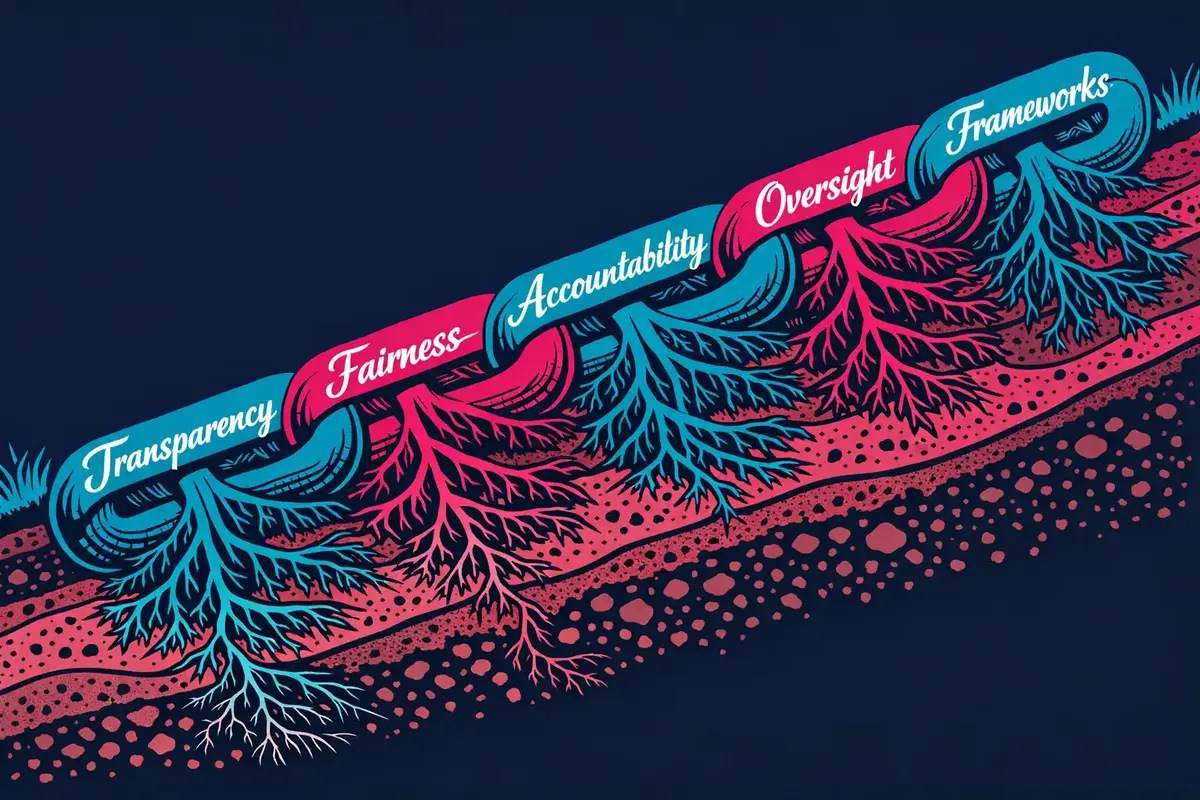
- Transparency: Users should understand how AI makes decisions and what data it uses.
- Fairness and Non-Discrimination: AI must avoid reinforcing existing biases or excluding certain groups.
- Accountability: There must be clear responsibility for outcomes—AI can’t be a black box.
- Privacy and Data Protection: Sensitive coaching data demands rigorous safeguards.
- Autonomy: Users should retain control over their developmental journey, including the right to opt out or challenge AI-generated insights.
- Human Oversight: AI should augment, not replace, the judgment and empathy of human coaches.
According to a Harvard analysis, 100% of global AI ethics documents include fairness and non-discrimination, 97% include accountability, and 94% highlight transparency and explainability (Harvard University, 2020). These aren’t just buzzwords—they’re the baseline for trust.
Mapping Principles to Practice: The ICF and UNESCO Standards
The International Coaching Federation (ICF) has gone further than most by translating these abstract principles into concrete domains for AI in coaching. Their AI Coaching Standards framework is structured around six domains, each mapped to core coaching competencies:
- Foundational Ethics
- Co-creating the Relationship
- Effective Communication
- Learning and Growth Facilitation
- Assurance and Testing
- Technical Factors (privacy, accessibility)
This structure helps platform builders and coaches operationalize ethics—not just talk about it. For example, “co-creating the relationship” means AI should support, not undermine, the trust and rapport between coach and client (ICF, 2024).
On a global scale, UNESCO’s Recommendation on the Ethics of Artificial Intelligence—adopted by all 193 member states—sets the first universal policy baseline for AI ethics. It emphasizes human rights, transparency, and actionable policy areas, making it a touchstone for any organization operating internationally (UNESCO, 2021).
Integral Theory: A Unique Lens for Ethical AI Design
Most ethical AI frameworks stop at technical and behavioral factors. But what if we approached AI design through the lens of Integral Theory—a model that considers not just the external (systems, behaviors) but also the internal (experience, meaning), both individually and collectively? This four-quadrant framework helps us see that ethical AI isn’t just about code or compliance; it’s about honoring the full spectrum of human development.
For instance, the individual-interior quadrant focuses on subjective experience—how does the user feel about the AI’s feedback? The collective-exterior quadrant, meanwhile, addresses organizational culture and systemic impacts. By mapping ethical principles across all four quadrants, we can design platforms that respect not only privacy and fairness, but also the deeper context of growth and belonging. For a deeper dive into this framework, see our resource on Integral Theory and AI integration.
Here’s the thing: most teams assume that if an AI is technically compliant and “unbiased,” it’s also developmentally attuned. But research consistently demonstrates that developmental needs vary widely—what’s supportive for one person may be counterproductive for another. This means ethical AI must adapt not just to demographic differences, but to each user’s stage of growth, learning style, and cultural context.
Developmental Sensitivity: Beyond Bias Mitigation
Bias mitigation is a hot topic in AI ethics, but it’s only the starting point. In coaching, the real opportunity is developmental sensitivity—designing AI that recognizes where someone is on their growth journey and responds accordingly. Imagine a platform that not only avoids stereotyping, but also tailors its interventions to whether a user is just beginning to explore self-awareness or is ready for advanced leadership challenges.
This approach requires more than technical tweaks. It demands a deep integration of developmental psychology, cultural awareness, and ongoing feedback loops. For example, a prompt that’s empowering for a senior leader might feel overwhelming for a new manager. The platform must be able to “sense” and adjust, much like a skilled human coach would.
And let’s not overlook diversity: women comprise only about 22% of AI professionals globally, which underscores the importance of inclusive design teams and stakeholder input (UNESCO, 2021). The risk isn’t just biased algorithms—it’s blind spots in how growth and potential are defined in the first place. For more on integrating DEI principles into ethical AI, see our guide on diversity, equity, and inclusion in leadership.
Privacy, Consent, and Data Protection in Coaching AI
If you’re building or evaluating a coaching platform, you’re probably wrestling with privacy questions: Who owns the session transcripts? How is sensitive developmental data stored, shared, or deleted? These aren’t hypothetical concerns—coaching data often includes deeply personal reflections, career aspirations, and even emotional struggles.
Here’s where ethical AI design must go beyond generic data protection. It’s not enough to encrypt data or comply with baseline regulations. True ethical practice means:
- Obtaining informed, ongoing consent—not just a one-time checkbox
- Providing clear, accessible options for data review, correction, and deletion
- Ensuring that data used to “train” AI is anonymized and never repurposed without explicit permission
- Building in audit trails and transparency so users can see how their data is used
With two-thirds of higher education institutions globally developing AI guidance, and 19% already having formal AI policies, the trend is clear: privacy and governance are moving from “nice to have” to “must have” (UNESCO, 2024). For a practical overview of GDPR compliance and privacy standards in coaching AI, see our resource on privacy and data protection.
Operationalizing Human Oversight and Governance
Most organizations assume that “human-in-the-loop” means simply having a coach review AI suggestions. But in practice, effective oversight is much more nuanced. It involves:
- Creating clear escalation protocols for edge cases (e.g., when AI-generated advice feels off-base or unsafe)
- Establishing ethics boards or review panels that include diverse stakeholders—coaches, clients, technologists, and ethicists
- Maintaining detailed audit trails so that every AI-generated intervention can be traced and, if necessary, challenged
- Regularly updating governance policies as both technology and organizational needs evolve
Drawing on The Integral Institute’s two-decade integral methodology, we’ve seen that robust human oversight is a living practice, not a static rule. It requires ongoing training, scenario-based drills, and a culture where questioning the AI is not just allowed but encouraged. For more on best practices in human oversight and developmental stage mapping, see our page on AI developmental stage mapping and oversight.
Auditing, Assurance, and Continuous Ethical Practice
Ethical AI isn’t a one-time certification—it’s a continuous process, much like coaching itself. This means:
- Conducting regular platform audits for fairness, transparency, and developmental fit
- Soliciting user feedback and acting on it, especially when users report ethical concerns or discomfort
- Integrating external benchmarks, such as the ICF and UNESCO standards, into ongoing platform development
- Documenting all changes and decisions for accountability and learning
Here’s a perspective shift: most teams view audits as a compliance burden. But in reality, regular ethical reviews can surface hidden opportunities for innovation—new ways to personalize, empower, and build trust with users. For those interested in building a culture of ethical AI leadership, our guide on ethical AI governance in leadership offers practical tools and frameworks.
Common Pitfalls and How to Avoid Them
Even with the best intentions, ethical missteps in AI coaching platforms are common. Some of the most frequent pitfalls include:
- Over-reliance on AI: Treating the system as infallible, which can erode coach-client trust.
- Privacy lapses: Failing to update consent protocols as features evolve.
- Bias blind spots: Assuming that technical “fairness” is enough, without considering developmental or cultural nuance.
- Opaque algorithms: Users can’t challenge or understand AI-generated insights, leading to disengagement.
The solution? Build in regular checkpoints, scenario-based training, and open channels for feedback. Treat ethics as a developmental journey—one that evolves alongside your platform and your users.
Practical Tools: Checklists and Scenario-Based Audits
To put these principles into action, consider the following practical tools:
- Ethical AI Readiness Checklist: Does your platform have clear privacy policies, transparent algorithms, and human oversight protocols?
- Stakeholder Scenario Library: Are your coaches and developers trained to handle real-world dilemmas, such as conflicting feedback or cultural misunderstandings?
- Audit Templates: Can you trace every AI-generated recommendation back to its data source and decision logic?
- User Feedback Loops: Is there a simple way for users to report concerns and see how they’re addressed?
These tools aren’t just for developers—they’re equally valuable for coaches, clients, and organizational leaders looking to build confidence in their AI-enabled growth journeys. For more resources and ongoing updates on ethical AI and leadership, visit our blog.
FAQ: Ethical AI Design Principles for Integral Coaching Platforms
How do AI ethics frameworks like ICF and UNESCO differ in coaching contexts?
ICF’s framework is tailored specifically for coaching, translating ethical principles into coaching competencies and real-world scenarios. UNESCO’s guidelines are broader, setting global policy baselines for all AI applications. In coaching, the ICF’s practical checklists and relationship focus complement UNESCO’s human rights and transparency emphasis.
What does “developmental sensitivity” mean in AI coaching?
Developmental sensitivity means AI systems recognize and adapt to users’ unique growth stages, learning styles, and cultural backgrounds. It goes beyond avoiding bias, aiming to meet people where they are on their personal or professional journey—much like a skilled human coach would.
How can coaching platforms ensure user privacy and data protection?
Platforms should implement informed consent processes, allow users to review and delete their data, anonymize training data, and provide transparent audit trails. Compliance with regulations like GDPR is essential, but ethical practice often goes beyond legal requirements to prioritize user trust.
What’s the difference between AI-assisted and AI-driven coaching?
AI-assisted coaching uses technology to support human coaches—offering insights, tracking progress, or suggesting questions—while the coach remains central. AI-driven coaching automates more of the process, potentially delivering interventions directly. Ethical design requires clear boundaries and human oversight, especially as automation increases.
Why is human oversight critical in developmental AI?
Human oversight ensures that AI interventions align with ethical standards, organizational values, and individual needs. It provides a safety net for edge cases, supports ongoing learning, and helps maintain trust by allowing users to question or challenge AI-generated insights.
How do organizations audit their AI coaching platforms for ethics?
Regular audits involve reviewing algorithms for bias, checking privacy and consent protocols, tracing decision logic, and soliciting user feedback. External benchmarks like ICF and UNESCO standards help ensure ongoing compliance and continuous improvement.
What role does diversity play in ethical AI design?
Diversity in design teams and stakeholder input helps prevent blind spots and ensures that AI systems reflect a broad range of experiences and definitions of growth. With women comprising only about 22% of AI professionals globally, increasing representation is vital for inclusive, ethical design.
Continue Your Leadership Journey
Ethical AI design for Integral Coaching platforms isn’t a destination—it’s a developmental practice. By grounding your approach in both global standards and the nuanced perspectives of Integral Theory, you can build technology that empowers growth, protects autonomy, and earns lasting trust. Whether you’re a platform builder, coach, or organizational leader, the path forward is clear: treat ethics as a living, evolving commitment—one that honors the full complexity of human development.


