

{‘rendered’: ‘
Enterprise Integration: This approach is central to developing leaders who can navigate complexity and drive measurable business results. Companies using AI in talent development see 25% improvement (McKinsey). According to DDI World research, only 14% of CEOs believe they have the leadership talent needed to drive growth, making structured leadership development a strategic imperative.
\n
\n
The Evolving COO Role: From Operations Expert to Enterprise Integrator
\n
The COO role has transformed dramatically in recent years, shifting from a focus on operational oversight to becoming the “enterprise integrator” who bridges strategy, technology, people, and process. Today’s COOs are expected not only to ensure flawless execution but also to drive digital transformation, champion cross-functional collaboration, and lead large-scale change initiatives. The ICF/PwC Global Coaching Study confirms that executive coaching delivers an average ROI of 529%, with organizations reporting measurable improvements in leadership effectiveness and business outcomes.
\n
This evolution is driven by the increasing complexity of global operations, the acceleration of digital technologies, and the need for organizations to respond rapidly to market disruptions. As a result, COOs must develop a unique blend of technical acumen, strategic vision, and people leadership—qualities that are rarely cultivated through experience alone.
\n
\n
85% of COOs in the Americas and Europe believe they can transform their own areas, compared to only 71% in the Americas and 48% in Europe who are confident in their C-suite’s collective ability (Russell Reynolds, 2025). This confidence gap highlights the urgent need for COO-specific leadership development that extends beyond individual expertise to organizational influence.
\n
\n
\n
What Makes COO Leadership Unique?
\n
COOs occupy a singular position within the C-suite—responsible for translating vision into execution, orchestrating cross-functional teams, and ensuring that strategy becomes reality. Unlike other executives, the COO’s remit spans the entire value chain, requiring an end-to-end perspective on operations, finance, technology, and talent.
\n
Three factors set COO leadership apart:
\n
- \n
- Enterprise Integration: The COO is often the only leader with visibility across all business units, making them the natural integrator of strategy, operations, and culture.
- Execution Under Pressure: COOs are accountable for delivering results in volatile, uncertain environments—often with little margin for error.
- Change Leadership: As organizations pursue digital transformation and process innovation, COOs must lead large-scale change while maintaining operational stability.
\n
\n
\n
\n
This unique mandate demands a tailored approach to leadership development—one that blends operational rigor with strategic agility and people-centric leadership.
\n
\n
Key Competencies for Modern COOs
\n
To excel in today’s environment, COOs must develop a portfolio of advanced competencies that go far beyond traditional operational management. The most critical include:
\n
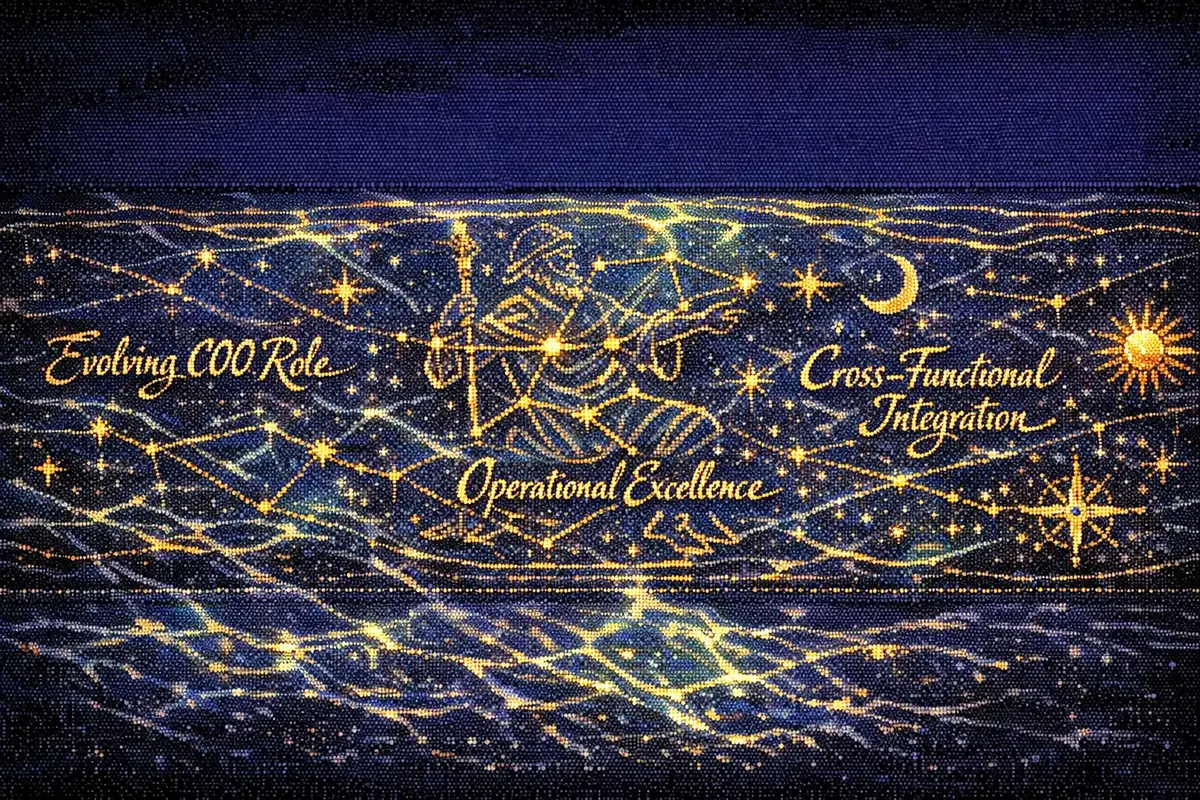
Operational Excellence
\n
Mastery of operational excellence is foundational for COOs, encompassing lean methodologies, process innovation, and continuous improvement. High-performing COOs create systems that deliver sustainable results, reduce waste, and foster a culture of accountability.
\n
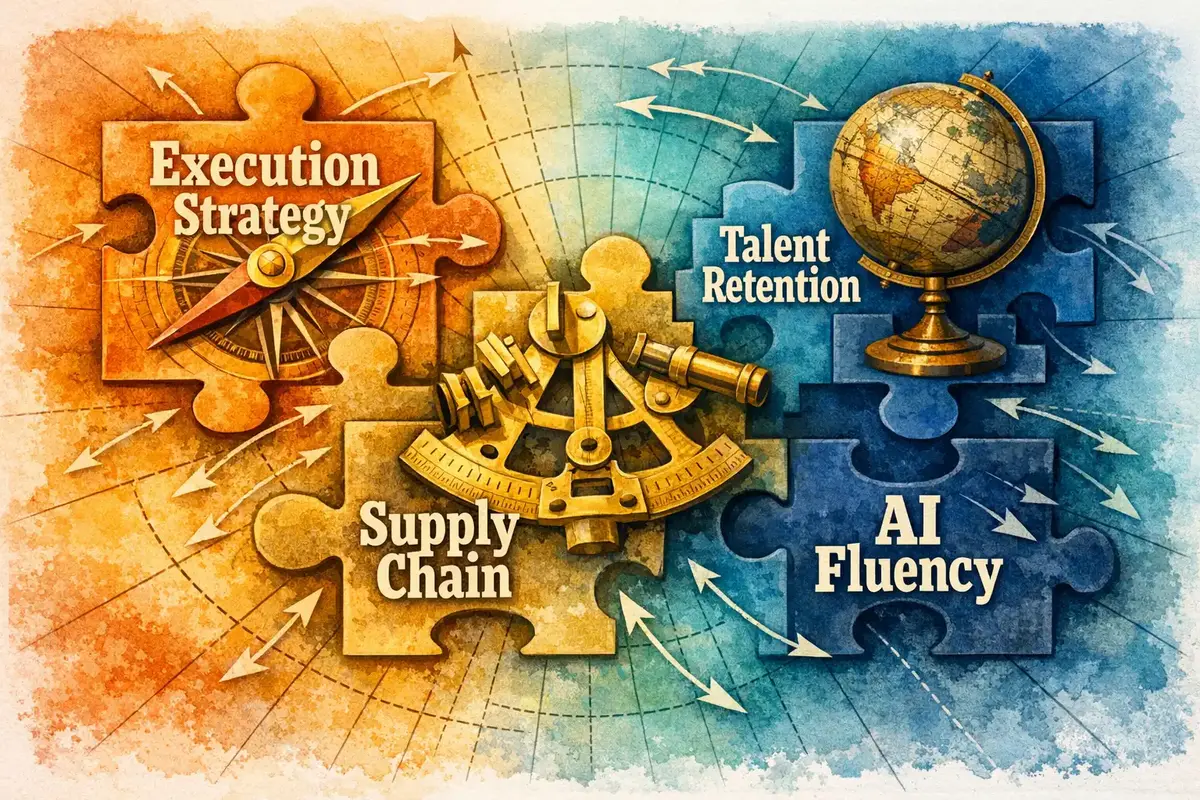
Execution Strategy
\n
COOs must translate high-level strategy into actionable plans, aligning resources, KPIs, and cross-functional teams to deliver on organizational goals. This requires a deep understanding of business drivers, risk management, and scenario planning.
\n
Supply Chain Optimization
\n
As global supply chains become more complex, COOs are tasked with supply chain optimization—balancing cost, resilience, and agility. This involves leveraging data analytics, supplier partnerships, and technology to create responsive, efficient networks.
\n
Cross-Functional Leadership
\n
Modern COOs must excel at cross-functional leadership, breaking down silos and fostering collaboration across business units. This competency is essential for driving enterprise-wide transformation and ensuring that operational improvements are sustained.
\n
AI Fluency and Digital Transformation
\n
AI, automation, and analytics are now core to operational leadership. COOs must develop AI fluency and champion digital transformation initiatives that enhance efficiency, decision-making, and customer experience.
\n
Talent Management and Diversity
\n
With 46% of COOs citing talent retention and skill shortages as a top-3 obstacle to strategy execution (PwC, 2024), talent management is a critical leadership focus. This includes developing high-potential leaders, fostering diversity and inclusion, and building resilient teams.
\n
\n
\n
\n
Programmatic Pathways: What to Look for in COO Leadership Development
\n
Selecting the right leadership development pathway is a critical decision for COOs and their organizations. The most effective programs share several key characteristics:
\n
Evidence-Based Curriculum
\n
Top programs are grounded in research and real-world case studies, offering frameworks that connect leadership development to tangible business outcomes—such as EBITDA growth, margin improvement, and supply chain KPIs.
\n
Strategic and Technical Balance
\n
Effective COO development blends operational rigor with strategic foresight and digital acumen. Programs should cover lean methodologies, crisis management, and technology adoption, while also addressing softer skills like influence, resilience, and stakeholder engagement.
\n
Peer Validation and Community
\n
COOs benefit from learning alongside peers who face similar challenges. Peer-driven networks and mastermind groups provide ongoing support, benchmarking, and real-world problem-solving that extend beyond classroom learning.
\n
Flexibility and Customization
\n
Given the diversity of industries and organizational contexts, the best programs offer modular, customizable content that allows COOs to focus on their most pressing development needs.
\n
Measurable Outcomes
\n
Leading programs track participant progress and business impact, offering clear metrics on ROI and career advancement. For example, 100% of MIT xPRO COO Program respondents reported a positive impact on their career and professional development (MIT xPRO/Emeritus, 2024).
\n
\n
Case Studies: Real-World Impact of Leadership Development
\n
While many programs promise transformation, the true measure of success lies in real-world outcomes. Consider the following scenarios:
\n
- \n
- Operational Turnaround: A manufacturing COO leverages lean methodologies and AI-driven analytics to reduce production cycle time by 18%, resulting in a direct margin improvement and increased market share.
- Digital Supply Chain Transformation: An e-commerce COO implements advanced supply chain optimization, using predictive analytics to reduce stockouts and improve customer satisfaction scores by double digits.
- Talent Pipeline Development: A healthcare COO launches a cross-functional leadership initiative, increasing internal promotion rates and reducing turnover among high-potential managers.
\n
\n
\n
\n
These examples illustrate how targeted leadership development can drive both operational wins and strategic growth. Drawing on TII’s two-decade integral methodology, organizations can design interventions that address the root causes of performance challenges and sustain impact over time.
\n
\n
\n
\n
Data-Driven Insights: What the Numbers Say
\n
The value of COO leadership development is underscored by a growing body of data:
\n
- \n
- Succession and Internal Promotion: 81% of new COOs are internal promotions, and nearly 60% of C-suite functional leaders are appointed from within (Spencer Stuart, 2024). This highlights the importance of building robust internal talent pipelines and succession plans.
- Turnover and Career Progression: COO turnover reached a 2025 record with 146 appointments, up 12% year-over-year; 30% of COOs transition to CEO roles (Russell Reynolds, 2025). Leadership development directly impacts both retention and advancement.
- Diversity and Inclusion: Women now hold 25% of Fortune 500 COO roles, a significant milestone but also a call to action for greater diversity and inclusion in operational leadership (COO Alliance, 2024).
\n
\n
\n
\n
These statistics reinforce the need for leadership development programs that are not only effective but also inclusive and future-oriented.
\n
\n
Peer Networks and Community: Beyond the Classroom
\n
While formal programs provide structure and expertise, ongoing peer learning is equally vital for COO development. Peer-driven networks, such as mastermind groups and professional alliances, offer:
\n
- \n
- Real-time problem-solving and benchmarking
- Access to diverse perspectives and industry best practices
- Emotional support and resilience-building in high-pressure roles
\n
\n
\n
\n
Research consistently demonstrates that COOs who engage in peer learning are better equipped to navigate complexity, avoid burnout, and sustain high performance. The combination of structured learning and peer support creates a powerful platform for continuous growth.
\n
\n
\n
\n
Emerging Trends: AI, Digital, and the Future COO
\n
The COO role is being reshaped by rapid advances in AI, automation, and digital technologies. AI fluency is now a non-negotiable competency, enabling COOs to:
\n
- \n
- Harness predictive analytics for smarter decision-making
- Automate routine processes, freeing up capacity for strategic initiatives
- Lead digital transformation efforts that create competitive advantage
\n
\n
\n
\n
Industry evidence suggests that COOs who invest in AI and digital skills are better positioned to drive innovation, manage risk, and deliver sustained value. As organizations evolve, the future COO will be both a technology champion and a human-centered leader—capable of integrating digital tools with operational excellence.
\n
\n
Toolkit: Self-Assessment and Actionable Frameworks
\n
To translate leadership development into measurable impact, COOs should regularly assess their strengths and gaps across key competencies:
\n
- \n
- How effectively am I integrating strategy, technology, and people?
- Where are the biggest opportunities for process innovation in my area?
- How resilient and future-ready is my talent pipeline?
- Am I leveraging AI and digital tools to their fullest potential?
\n
\n
\n
\n
\n
By using self-assessment frameworks and benchmarking against peers, COOs can prioritize development areas and track progress over time. Grounded in the Integral Model’s multi-level framework, this approach ensures that leadership growth is both holistic and results-driven.
\n
\n
Conclusion: Building the Next Generation of COOs
\n
COO leadership development is no longer a luxury—it is a strategic imperative for organizations seeking operational excellence, agility, and sustained growth. The most effective COOs are enterprise integrators, digital champions, and people leaders who continuously evolve their skills to meet the demands of a complex business landscape.
\n
As you reflect on your own leadership journey, consider: Where could deeper development unlock the next level of impact for you and your organization? The path to operational mastery and enterprise transformation starts with a single, intentional step—one that you define.
\n
\n
FAQ: Leadership Development for COOs
\n
How does COO leadership development differ from CEO or CFO programs?
\n
COO leadership development focuses on operational execution, cross-functional integration, and process innovation, while CEO programs emphasize vision and external strategy, and CFO programs center on financial stewardship. COO-specific programs address the unique demands of translating strategy into results across all business units.
\n
What role does AI play in modern COO leadership development?
\n
AI is now central to operational leadership. COOs must develop AI fluency to harness predictive analytics, automate processes, and drive digital transformation. Programs increasingly integrate AI modules, preparing COOs to lead in technology-augmented environments.
\n
How can COOs measure the ROI of leadership development?
\n
ROI can be measured through improvements in operational KPIs, margin growth, supply chain efficiency, talent retention, and career advancement. Leading programs provide frameworks and case studies that link leadership development to tangible business outcomes.
\n
Why is peer learning important for COO development?
\n
Peer learning offers real-time problem-solving, benchmarking, and emotional support. Engaging with other COOs helps leaders navigate complexity, avoid isolation, and sustain high performance—benefits that extend beyond formal training.
\n
What are the biggest obstacles COOs face in executing strategy?
\n
Talent retention, skill shortages, and cross-functional misalignment are common barriers. Leadership development programs address these challenges by building skills in talent management, collaboration, and change leadership.
\n
How can organizations build a diverse pipeline of future COOs?
\n
Organizations should invest in inclusive mentoring, leadership development for high-potential talent, and succession planning. Fostering diversity and inclusion at all levels ensures a robust pipeline of future-ready COOs.
\n
Is leadership development more effective through academic programs or peer networks?
\n
Both have unique strengths. Academic programs offer structured frameworks and research-based insights, while peer networks provide practical, real-world learning and ongoing support. Many COOs benefit from a hybrid approach that combines both.
\n
\n
Explore Further
\n
- \n
- operational excellence — Explore frameworks and strategies for sustainable operational wins in COO leadership development.
- supply chain optimization — Discover advanced approaches to scaling operations and optimizing supply chains for COOs.
- cross-functional leadership — Learn how to foster integration and synergy among business units for enterprise-wide impact.
- AI fluency — Prepare for the future of operations with AI fluency and digital leadership skills.
\n
\n
\n
\n
\n’, ‘protected’: False}