

Every leader evaluating Corporate Social Responsibility (CSR) at the mid-funnel stage faces a distinct challenge: separating substance from symbolism. The marketplace is saturated with glowing case studies and “success stories” that look good in annual reports but often lack replicable frameworks. At this stage, decision-makers aren’t inspired by intention—they’re driven by implementation, measurement, and risk mitigation. The stakes are clear: with 71% of global business leaders believing sustainability is becoming a prerequisite for investment decisions and 76% of consumers saying they would stop buying from companies considered negligent on key social or environmental issues, CSR has outgrown its birthplace in PR and HR. It is now a linchpin of both continuity and competitive strategy (Source: Intuition.com, 2024).
“Sustainability is not a brand campaign—it’s an operational necessity. The risk of inaction is rising faster than the cost of action.”
— Senior strategy leader, Global Fortune 500
This advanced guide is designed to help you translate commitment into strategy, framework into action, and narrative into measurable impact—so you can build not just a sustainable business model, but a credible legacy.
What Separates Enduring CSR from Performative Initiatives
The proliferation of CSR programs has given rise to a new dilemma: how can stakeholders tell the difference between companies that “walk the talk” and those simply talking?
Authenticity is now a measurable advantage. As regulatory scrutiny, investor expectations, and digital transparency increase, so does the reputational and financial risk of performative CSR. Stakeholders—whether employees, customers, or regulators—are now sophisticated evaluators of impact. They look for:
- Independent third-party verification of claims (audited data, certifications, ESG ratings)
- Clear, public progress reporting (not just glossy highlights but also lessons learned and next steps)
- Integration of CSR into core business processes, not as peripheral “giving” initiatives
- Evidence of leadership engagement and employee involvement at all levels
The problem is most company content—especially at the top of the funnel—merely lists philanthropic donations or employee volunteer days. These are worthy activities, but they don’t address the systemic expectation for transparency, impact measurement, and adaptability to stakeholder needs. Without a robust, stakeholder-infused system, even well-intentioned CSR remains vulnerable to charges of “greenwashing.”
The shift decision-makers must make now is from charismatic storytelling to defensible, data-driven action plans—a transition from transaction to transformation that builds real trust.
The Modern Business Case for CSR Integration
Old-school paradigms often framed CSR as a cost—a necessary concession to public perception. That stance is obsolete. Today, the integration of Corporate Social Responsibility (CSR) with core business strategy is not only defensible—it’s a source of both “hard” and “soft” ROI.
The Hard Data:
- 77% of companies have set net zero targets by 2050 and 94% in EMEA have partially or fully integrated sustainability into their operations—not out of idealism, but out of anticipation of regulatory and capital access shifts (Source: Intuition.com, 2024).
- 74% of public companies plan to invest in sustainability reporting tools within the next 12 months, highlighting the rising value of measurable outcomes to investors and boards.
- Companies with advanced CSR systems report material benefits: improved risk profiles, higher innovation rates, and access to preferential financing.
The Soft ROI:
- CSR is a proven magnet for talent. Progressive CSR policies drive retention, especially among younger cohorts who prioritize workplace values alignment (Source: GlobeScan, 2024).
- Integrated CSR and sustainability increase employee engagement and internal collaboration—seen through structured programming, such as employee-led ESG committees and co-created sustainability goals.
- There’s a measurable loyalty dividend: customers are significantly more loyal (and forgiving) to brands perceived as authentic in their social and environmental commitments.
What consistently emerges is that executives who view CSR as a lever for long-term, sustainable growth rather than a short-term reputational fix achieve both enhanced impact and improved financial resilience. Strategic integration—where CSR considerations are woven into strategic planning, capital allocation, risk management, and new product development—delivers a genuine competitive moat.
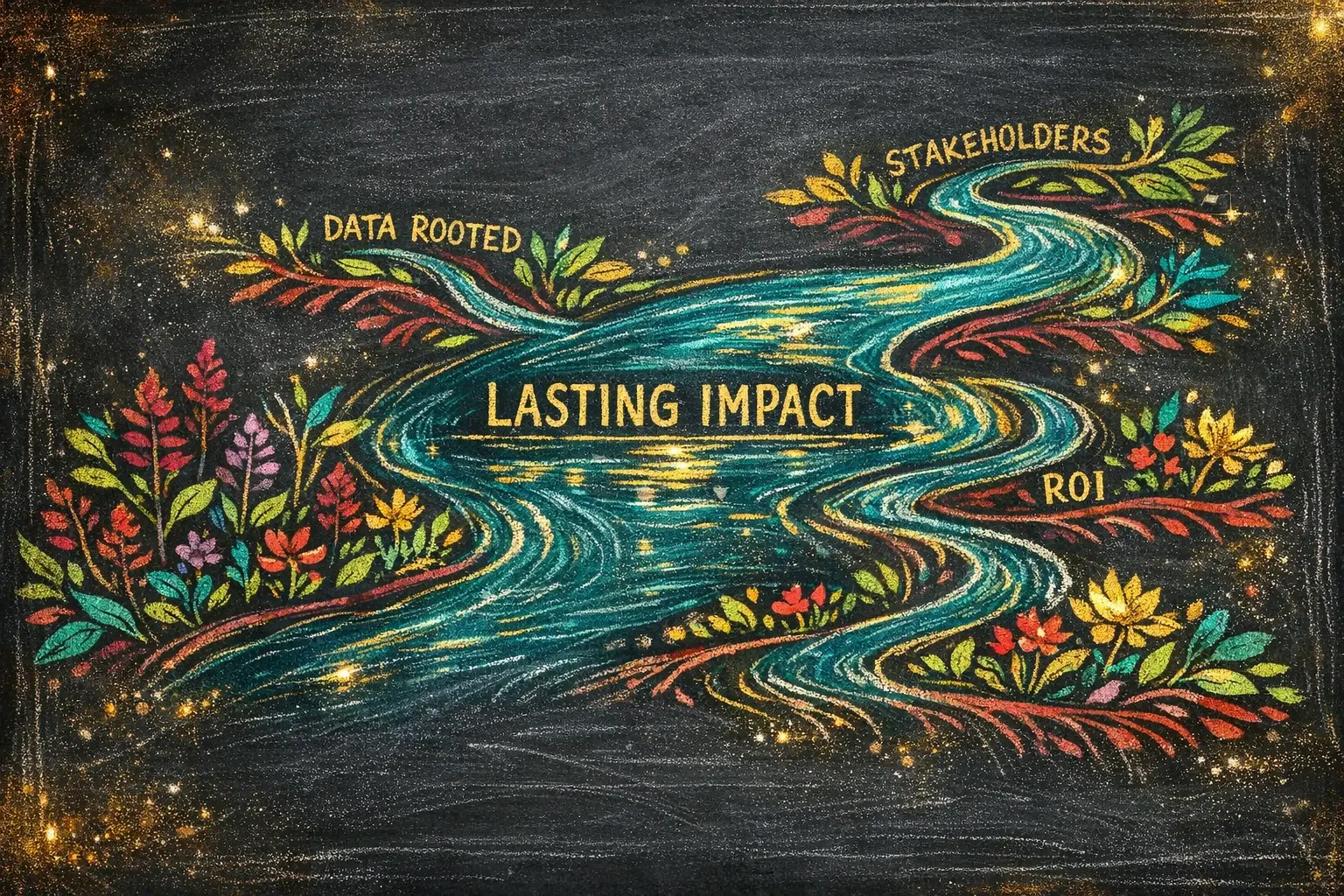
Strategic CSR Frameworks: From Pillars to Practice
For organizations ready to move beyond surface actions, frameworks matter. They provide the structured rigor to ensure that vision translates into verifiable progress. Among the most highly regarded:
OECD DAC Framework:
Originally created for evaluating development aid, the OECD DAC’s six-dimensional approach—relevance, coherence, effectiveness, efficiency, impact, and sustainability—has been successfully adapted to corporate and nonprofit environments. It provides a holistic lens for evaluating not just outcomes, but the alignment and efficiency of social and environmental investments.
Science-Based Targets Initiative (SBTi):
With climate reporting under greater scrutiny, organizations are flocking to SBTi to validate carbon reduction roadmaps. Embedding science-based targets not only satisfies regulators, but also supports capital raising and future-proofs supply chains.
AI-Driven Analytics and Real-time Impact Measurement:
While only about 10% of companies use AI today for sustainability data, that number is projected to quintuple soon (Source: S&P Global, 2024). Integrating AI with existing KPIs provides continuous feedback loops, identifies emerging risks, and democratizes access to credible metrics for internal and external reporting.
Stakeholder-Infused Models:
Advanced CSR strategies co-create value with employees, suppliers, customers, and communities. This can mean everything from local supplier development programs to employee-led sustainability innovations. Stakeholder alignment is the “secret sauce” of both authenticity and adaptiveness.
To build a CSR measurement system that lasts, decision-makers should:
- Define clear KPIs grounded in material topics—those that are truly important to core stakeholders.
- Deploy iterative, tech-enabled measurement tools (dashboards, real-time data capture).
- Integrate third-party audits or self-assessment checklists for transparency.
- Regularly update frameworks to reflect evolving external risks and stakeholder priorities.
Linking these frameworks to your CSR implementation roadmap ensures decisions are not just strategic but defendable under scrutiny.
Practical Playbooks: Implementation for Different Company Types
CSR and sustainability strategies are not one-size-fits-all. What works for a large multinational may be ill-suited to a mid-size regional business—or a dynamic startup facing resource constraints. Yet, across the spectrum, the ultimate goal is to align CSR with the business model transformation that balances short-term profit needs with long-term resilience.
Large Enterprises:
Typically have the pockets and platform to influence value chains and policy. Here, advanced frameworks like integrated reporting, multi-layer stakeholder boards, and pilot programs for regenerative supply chains can be deployed at scale. AI analytics are rapidly finding a home in these environments—whether optimizing GHG emissions reporting or simulating the impact of new regulations.
Mid-size Companies:
Often more agile but resource-constrained, these organizations benefit most from clear prioritization and phased implementation. Piloting focused CSR initiatives—such as targeted community partnerships, circular economy pilots, or digital measurement tools—can deliver high-impact, low-complexity wins that build both momentum and internal buy-in.
SMEs and Start-ups:
The challenge is focus and cost containment. Self-sustaining models—like embedding sustainability criteria into procurement or developing a simple, value-driven “impact inventory”—often yield outsize credibility. Integrating sustainability into growth strategy, rather than bolting it on later, helps accelerate both legitimacy and differentiation.
Across the board, the success variable isn’t just the quality of the framework, but the integration with corporate decision-making and learning cycles. For playbooks and templates directly supporting this journey, alignment with purpose-driven leadership and values integration ensures the initiative is fueled by both top-down mandate and bottom-up passion.
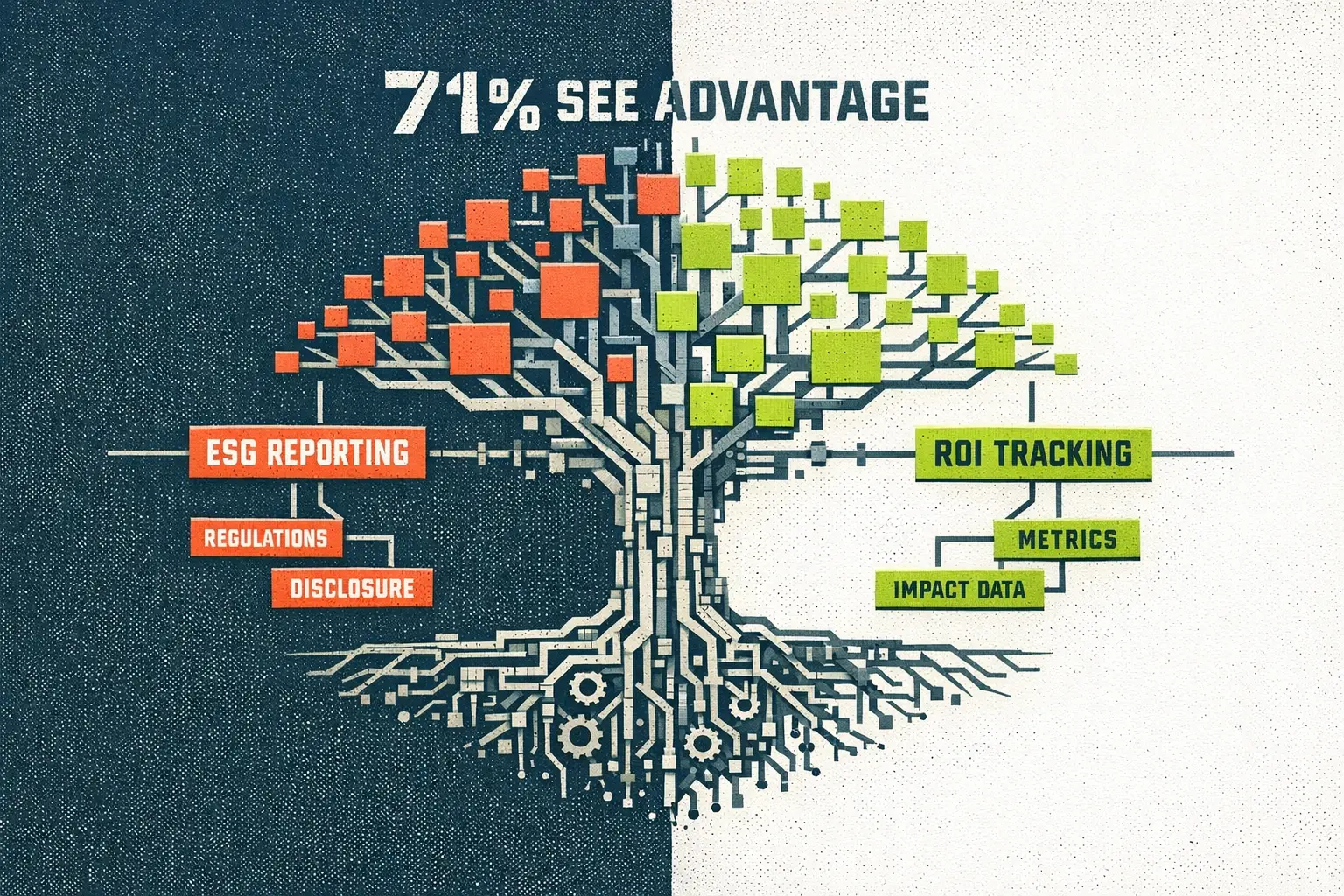
Sustainable Business Model Innovation: Beyond CSR
Leaders serious about transformation recognize that the next competitive edge lies in evolving the business model itself. Conventional CSR—focused on perimeter practices or charitable giving—is now supplemented or eclipsed by systemic innovation:
Circularity:
Moving from “take-make-waste” to regenerative value chains. For example, some consumer goods companies are “decoupling” revenue growth from raw material consumption, designing products with end-of-life re-use in mind.
Technology Integration:
Digital tools—including blockchain, IoT, and advanced analytics—are enabling end-to-end traceability, predictive risk management, and faster feedback cycles on environmental and social impact.
Green Finance and Sustainable Investment:
Access to capital is increasingly gated by sustainability criteria. Sustainable bonds and ESG-linked loans are moving from the margins into the mainstream, especially as regulators and rating agencies tighten definitions and disclosure requirements.
Employee and Stakeholder Co-Creation:
Innovative firms are embedding stakeholders at the heart of business model evolution. Whether through supplier diversity programs, employee “sustainability sprints,” or customer-facing co-design labs, the benefit is more resilient and adaptable innovation.
For leaders mapping their next move, the challenge isn’t inventing something entirely new—but rather integrating proven models, tested pilots, and rapid learning cycles into a cohesive, long-term system. The Integral Institute is designed to guide this process—translating vision into a concrete, organization-wide business model transformation roadmap that balances profit pressures with long-term resilience.
Continuous Measurement, Reporting, and Transparency
Transparency is now non-negotiable—internally for alignment and externally for credibility. High-trust engagement means reporting not only your wins, but also your lessons and gaps. Stakeholders (from investors to talent communities) will reward the uncomfortable truth over spun perfection.
Key elements of robust measurement and transparency:
- Use of clear, dynamic KPIs aligned to both ESG regulations and material stakeholder interests
- Public progress reports that go beyond highlights to include setbacks and course corrections
- Independent third-party audits or verified dashboards for critical data (sustainability indices, carbon accounting)
- Engagement of employees and value chain partners in continuous improvement
AI and digital tools increasingly supplement human judgment. Automated data collection, predictive analytics, and scenario planning reduce reporting burdens while boosting frequency and reliability—allowing leaders to direct energy into improvement rather than mere compliance.
The organizations that lead are those who make accountability an embedded, evolving part of their culture, not a box to be checked once a year. This approach is the hallmark of lasting stakeholder trust.
Sector-Specific Adaptations: Going Beyond Template Thinking
Best-in-class CSR demands sector and region customization.
A manufacturer’s challenge—high resource intensity, global supply chains, and stringent emissions targets—differs profoundly from a fintech startup’s, which may prize digital inclusion or ethical AI. Similarly, professional services firms often look to influence through pro-bono work, diversity action, and sustainable procurement.
A tailored playbook is vital:
- High-Tech: Emphasize lifecycle design, data privacy, and digital inclusion. Leverage rapid product cycles for sustainability sprints and pilot projects.
- Manufacturing: Prioritize resource circularity, energy efficiency, and supplier codes of conduct. Third-party audits and real-time tracking are instrumental.
- Professional Services: Drive high-impact change through skills-based volunteering, governance advisory, and sector-specific ESG toolkits.
Community and stakeholder partnerships elevate local legitimacy and opportunity sensing, allowing organizations to embed CSR at the heart of expansion strategies as well as internal transformation.
Thought Leadership: New Directions in CSR/ESG
It’s time to recognize that sustainability is fast becoming synonymous with organizational resilience. Modern leaders view CSR as essential to risk mitigation—not just for climate shocks, but for talent, supply chain, and regulatory adaptation.
Three emerging themes are shaping best-in-class organizational strategy:
- Risk Resilience as Core Value: Forward-thinking companies see sustainability not just as risk protection, but as the next source of value creation—enabling faster recovery from market disruptions and strengthening long-term outlooks.
- Stakeholder Co-Innovation: True transformation means building with—not just for—communities and partners. Co-innovation models unlock creativity and deepen societal license to operate.
- Transparency as Differentiator: The organizations making the most progress are those who don’t shy away from difficult truths; they welcome scrutiny, iterate quickly, and share both wins and failures. Transparency in sustainability isn’t a disclosure obligation—it’s a growth strategy.
FAQ: Corporate Social Responsibility & Sustainable Business Models
How can we distinguish authentic CSR from performative initiatives?
Authentic CSR is characterized by independent verification, integration with core business processes, transparent reporting (including setbacks), and meaningful leadership engagement. Performative efforts typically lack data transparency, are externally focused only for reputation, or are disconnected from business strategy. To improve authenticity, implement frameworks that embed stakeholder feedback and third-party audits.
What’s the most effective way to measure CSR impact?
Effective CSR measurement uses structured KPIs aligned with the company’s material risks and opportunities. Leveraging real-time, tech-enabled analytics (including AI tools) for both quantitative and qualitative data provides a holistic view. Third-party validated frameworks—like OECD DAC or SBTi—add external credibility to results, especially for investor and regulatory audiences.
How do we balance short-term profitability with long-term sustainability?
Balancing these priorities requires integrating CSR with business strategy from the outset. Prioritize initiatives that provide quick wins (cost reductions, risk mitigation, employee engagement) while developing a long-term roadmap tied to growth, innovation, and capital access. Transparent progress tracking and feedback loops help course-correct as conditions evolve.
What role does leadership play in advancing sustainable business models?
Leadership sets the tone for CSR—it’s essential for aligning purpose, maintaining strategic focus, and overcoming inertia. Authentic buy-in from senior leaders—demonstrated through action, not rhetoric—cascades through the organization, enabling the culture and systems necessary for lasting change.
Do these frameworks and models apply to small companies or only large enterprises?
While the tactics and scale will differ, the core principles of transparency, integration, and stakeholder engagement apply to any organization, regardless of size. Smaller companies can often outpace larger peers in agility and community partnership, turning their size into an advantage for rapid implementation and differentiation.
CSR and sustainable business models have evolved from theory to execution—a journey requiring rigor, courage, and transparency. The next move is yours: how will your organization define its impact and resilience in a world that rewards those who transform intent into measurable outcome?
Continue Your Leadership Journey
- Corporate Social Responsibility (CSR) frameworks that drive profit and impact — Explore action-oriented strategies for aligning CSR with business priorities and measurable results
- Purpose-driven leadership and authentic values integration — See how values-driven leadership turns sustainability ambitions into organization-wide transformation
- Stakeholder partnerships for sustainable impact and local growth — Discover how authentic partnerships build trust and adaptability in diverse markets
- Balancing profit and long-term sustainable growth — Learn practical frameworks for synchronizing business strategy with enduring sustainability