

A family charter is a comprehensive, collaboratively developed document that sets out the values, governance structures, leadership roles, and succession principles for a family enterprise, designed specifically to support clarity, unity, and effective decision-making across generations. By establishing agreed-upon rules and frameworks for C-suite leadership, ownership, and family participation, a family charter helps to avoid ambiguity and prevent many of the conflicts that historically destabilize family businesses. Readers will come away with a step-by-step understanding of why a charter is critical, how it goes far beyond legal agreements, and what pitfalls and opportunities to expect as their family business evolves.
70% of family businesses do not survive the third generation—primarily due to governance ambiguity (Source: Family Business Institute, “Succession Survey”, 2017).
This daunting figure isn’t about incompetent heirs or poor financial management. Instead, it’s about missing blueprints—families drifting without clear rules for how power, ownership, and leadership should evolve. Without explicit processes to define who leads, who decides, and how disputes are resolved, conflicts fester and eventually fracture even the most promising enterprises.
The secret weapon for families determined to break this cycle is the family charter: a living, breathing roadmap for governance and leadership that transcends the “who owns what” mentality. Rooted in dialogue and emotional commitment, the charter transforms confusion into clarity—ensuring everyone understands both the spirit and mechanics of family enterprise leadership.
What Is a Family Charter and How Does It Differ from Legal Documents?
A family charter—sometimes called a family constitution—is a non-binding yet powerful agreement that memorializes the family’s shared values, vision, and operating guidelines for governing the business and stewarding the family legacy. Unlike legal contracts such as shareholder or partnership agreements, which focus narrowly on ownership shares and statutory obligations, a charter creates context: it articulates the “why” and “how” behind decisions, roles, and transitions.
While a shareholder agreement may dictate what happens if an owner wishes to exit the business, a charter will clarify who is responsible for initiating discussions, how family members are selected for leadership roles, and which decision frameworks should govern disputes. It’s the difference between a building’s blueprint (the charter) and its deed (the legal document).
Modern charters are built for complexity, defining not just the structure, but evolving their provisions to accommodate new branches, cross-cultural considerations, or entirely new lines of business over time.
For detailed guidance on structuring and drafting a family charter, explore resources dedicated to the practical and transformative aspects of this foundational document.
Why Do Family Businesses Need a Charter to Define Leadership Roles Across Generations?
Many families assume that their strong relationships or unspoken traditions will carry them through generational transitions. Yet, evidence suggests that informality breeds risk: next-generation leaders often lack clear answers to critical questions such as:
- Who gets to lead, and based on what criteria?
- How are C-suite roles—CEO, COO, CFO—allocated among family and non-family candidates?
- What happens when cousins or siblings disagree over strategy, dividends, or innovation?
A well-crafted family charter makes explicit who has authority, how decisions are made, what participation looks like, and which leadership pathways exist for future generations.
Grounded in The Integral Institute’s two-decade methodology, family charters bridge intergenerational gaps, align diverse visions, and create legitimate, respected governance structures that endure. Charters don’t eliminate conflict—they contain and channel it constructively, providing protocols and fallback mechanisms for situations where compromise isn’t initially possible.
Who Should Participate in Creating a Family Charter?
One common—and critical—misstep is treating the charter process as an executive or founder-only affair, developed by a small inner circle and presented as a fait accompli. Effective charters thrive on broad engagement: the right voices at the table matter as much as the content itself.
Best practice includes not only current owners and C-suite family members, but also:
- Next-generation family (including those not yet active in the business)
- Married-ins, stepfamily, and blended kin with legitimate stakes or influence
- Non-family executives and key advisors for operational perspective
- Skilled, neutral facilitators—internal or external—to manage dialogue and “surface the unsaid”
Lightbulb moment: The process of co-creating the charter often uncovers assumptions, wounds, or ambitions that, if left unspoken, risk derailing future collaboration. Skilled facilitation is not a luxury—it’s a requirement for surfacing diverse perspectives safely.

Which Governance Structures and Leadership Roles Belong in a Family Charter?
Charters that stand the test of time move beyond vague affirmations (“we value unity”) and address specific governance roles and decision-rights. Key components include:
- Leadership Roles: Defining C-suite positions, selection/evaluation criteria, and minimum qualifications. Some families establish an internal “talent bench” process; others use independent boards or panels for executive appointments. See further insights on leadership roles.
- Family Council: A representative body for all branches and generations, which voices concerns, carries forward long-term vision, and interfaces with business management.
- Ownership Council or Shareholder Assembly: Deals with equity, dividends, and strategic exits—distinct from day-to-day leaders.
- Decision Frameworks: How are key decisions made—majority, consensus, rotating tie-breakers? Are there areas (like hiring/firing the CEO) requiring broader or stricter consensus?
- Succession Protocols: Laying out grooming processes, eligibility, and emergency plans for sudden transitions.
Common mistake: Not distinguishing business governance (who runs operations) from family governance (who represents family interests). Overlap can cause both authority confusion and relational resentment.
For an overview of how different leadership methodologies support governance mapping, explore governance roles and leadership frameworks.
How Does a Family Charter Address Conflict and Succession?
Every family business faces moments of friction—succession, strategy pivots, or generational clashes. What differentiates enduring enterprises is not the absence of conflict, but the presence of a clarified, pre-agreed process to contain and resolve it.
Conflict Resolution in Charters:
- Tiered Dispute Processes: Many charters set up a “ladder” approach: attempt direct resolution, then convene a family council, and, if needed, bring in a neutral mediator or trusted advisor. The key is formality without rigidity—a known protocol, not just an “ad hoc” plea for calm.
- Safe Spaces and Charter Review Rituals: Some families institutionalize annual reviews, where grievances and proposals for modification are aired as a matter of course, preventing issues from festering unnoticed.
- Explicit Red Lines: Foresight into “dealbreakers”—actions or decisions that trigger family or ownership review (e.g., major asset sale, departure of a named leader).
Succession Planning Embedded in Charters:
- Clear eligibility criteria
- Transparent timelines and mentorship plans for next-gen candidates
- Emergency succession procedures: What happens if illness, death, or scandal disrupts the anticipated timeline?
Insight: Succession is not an event, but a process—best handled as a journey with defined checkpoints, supported by ongoing development and evaluation.
In-depth models and practices for family business conflict resolution bring clarity to these complex transitions.
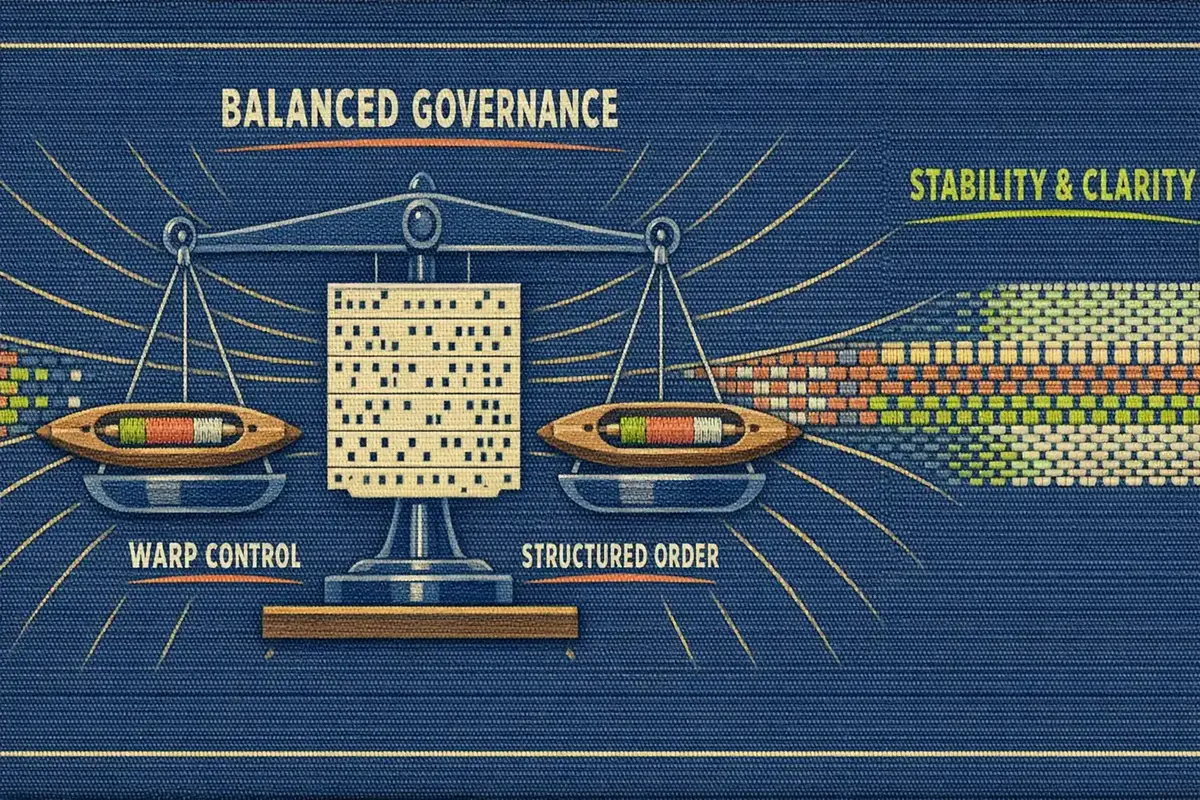
What Is the Step-by-Step Process for Creating and Updating a Family Charter?
- Facilitation and Stakeholder Mapping: Assemble a cross-generational and cross-functional design group, including external facilitators if possible. Identify all stakeholders—including quieter or less visible family members.
- Discovery and Value Clarification: Conduct one-on-one interviews and group sessions to surface values, priorities, and “red lines”—using structured surveys or reflection prompts.
- Drafting Frameworks: Develop initial charters, often using template structures as a starting point, filling in specifics for leadership roles, ownership councils, dispute mechanisms, and succession protocols.
- Iterative Dialogue Workshops: Hold multiple facilitated meetings to debate, rework, and refine the draft—ensuring every group feels both heard and represented.
- Ratification and Commitment Ritual: Sign the charter in a meaningful gathering, possibly coupled with a symbolic commitment—ensuring emotional as well as intellectual buy-in.
- Review and Renewal Process: Schedule annual or milestone-based reviews, with the explicit intent to amend, refresh, or even reimagine sections of the charter as circumstances change.
Process Over Paperwork: The charter’s true power lies not in the document itself, but in the ongoing dialogue, review rituals, and lived commitments it instigates.
How Should a Charter Evolve for Blended, Extended, or Global Family Dynamics?
Family structures today span continents, cultures, and non-traditional bonds. Exclusion—whether intentional or accidental—is now one of the greatest risks to family unity and resilience.
- Global branches: Integrate perspectives from family leaders or shareholders living or working abroad, respecting jurisdictional differences and unique cultural priorities.
- Blended and step-families: Clearly define eligibility, participation rights, and roles for step-siblings or half-siblings (e.g., are they eligible for business roles? Board seats?).
- Adopted children and in-laws: Address head-on whether these members have participation or voting rights—and if not, clearly explain why, mitigating later resentment.
- Religion or cultural diversity: Acknowledge and accommodate distinct traditions, holidays, or dispute norms—allowing the charter to serve as a bridge, not a battleground.
The most robust charters are those with embedded flexibility—designed for renewal, not ossification. Case studies repeatedly show that families who relegate charters to shelf documents fare poorly compared to those who treat them as “living constitutions,” revisited and recommitted annually.

What Are the Most Common Mistakes and How Can They Be Avoided?
1. Treating the Charter as a Static Rulebook
“Charter fatigue” sets in when a document is created once and never revisited—quickly losing credibility and usefulness as circumstances change.
Solution: Schedule mandatory review and renewal sessions, stimulating dialogue and reinforcing shared ownership.
2. Excluding Key Voices
When charters are drafted by a small group of founders or patriarchs/matriarchs, generational divides widen, and unseen risks accumulate.
Solution: Ensure broad, authentically participatory processes—especially as the family or ownership base diversifies.
3. Overemphasizing Legalism at the Expense of Emotional Buy-in
Lawyers and advisors excel at contract language but may lack tools for facilitating values-based, emotionally intelligent dialogue.
Solution: Engage skilled facilitators rooted in “integral” or whole-system methodologies to balance structure with meaning.
4. Failing to Integrate Non-Family Executives
Modern family businesses increasingly rely on professional, non-family C-suite leaders. Ill-defined boundaries and ambiguous reporting lines can breed friction or sabotage transitions.
Solution: Use the charter to explicitly articulate roles, authority, and the “rules of engagement” for non-family executives.
How Can Facilitation Techniques Elevate Family Charter Outcomes?
Difficult conversations, legacy fears, and hidden rivalries mean that process design matters as much as content. Facilitation—the art and science of guiding multi-stakeholder dialogue—is no longer optional in complex, multi-generational families.
The Integral Institute’s approach emphasizes:
- Neutral, trained facilitators (family or external) who maintain psychological safety and ensure all voices are heard equally
- Scenario planning—using “what if” exercises to surface hidden biases or anxieties
- Organizational culture diagnostics to help families understand where their unspoken assumptions reside (see organizational culture for more)
- Rotating facilitation or co-facilitation models, allowing different family branches to take the lead in convening discussions or review meetings
Facilitation is not just process support, but a form of governance technology—crucial for sustainable, trust-based governance and leadership clarity.
FAQ: Crafting a Family Charter to Define Governance and Leadership Roles Across Generations
What is the main difference between a family charter and a shareholder agreement?
A family charter outlines the family’s shared values, vision, and principles for governance, whereas a shareholder agreement is a legally enforceable contract addressing ownership, control, and financial rights. The charter is broader and more adaptive, addressing relationships, conflict resolution, and leadership succession, and is intended as a living framework rather than a static rulebook.
Is a family charter legally binding?
No. A family charter, unlike formal legal documents, is not enforceable in court. Its strength comes from mutual commitment and the process of co-creation, which fosters accountability and psychological buy-in among family members.
Who should be involved in the charter creation process?
All major family stakeholders should participate—founders, current leaders, next-generation family, non-traditional branches (e.g., step- or blended families), and often trusted non-family executives or facilitators. Broad participation ensures the charter reflects diverse perspectives and gains lasting support.
How often should a family charter be updated?
Best practice recommends reviewing the charter at least annually, or when major transitions (such as leadership changes or mergers) occur. This continuous process keeps the charter relevant and strengthens family cohesion through recurring dialogue.
What are the essential components of a robust family charter?
Key sections include agreed-upon values and vision, clearly defined governance and leadership roles, explicit succession planning protocols, conflict resolution frameworks, inclusion policies, and renewal mechanisms to keep the charter adaptive over time.
How does a family charter help resolve disputes?
By predefining stepwise conflict resolution procedures—from direct dialogue to council involvement and neutral mediation—the charter offers clarity and a sense of fairness when disagreements arise. This prevents escalation and builds trust that issues will be handled transparently.
How are non-family executives integrated into the family charter?
Leading charters specify the roles, responsibilities, and authority boundaries for non-family C-suite leaders. This ensures both family and professional managers have mutually agreed ground rules for collaboration and decision-making.
Can a family charter accommodate diverse cultural or religious backgrounds?
Yes, modern charters are consciously designed to integrate and respect diversity within the family—addressing cultural traditions, religious observances, and unique governance needs for branches in different locations or of different backgrounds.
The journey of crafting a family charter is rarely straightforward or mechanical. It asks families to surface difficult truths, make explicit their aspirations, and build processes that match the complexity and dynamism of their lives—not just their business. If you’re considering this path, reflect: Which conversations are currently being left unsaid in your family’s governance? What could be unlocked by surfacing them together—on paper, and in practice—so your legacy isn’t left to chance or assumption?
Continue Your Leadership Journey
- family charter — Explore hands-on principles and real-world scenarios guiding effective charter design for multi-generational success
- leadership roles — Learn how to clarify and govern C-suite and executive pathways, especially in evolving family enterprises
- family business conflict resolution — Discover advanced frameworks for resolving deep-seated generational and operational disputes
- facilitation techniques — Unlock powerful facilitation skills and diagnostics for stronger dialogue, trust, and culture within your family enterprise