

Mindfulness and stress management for leaders and teams refers to a set of science-backed practices and holistic programs that equip individuals and groups to enhance mental clarity, reduce workplace stress, and boost sustainable performance—particularly in high-pressure environments. For senior leaders, HR, and team managers, this field offers practical frameworks and digital tools that translate mindfulness into measurable business gains by improving focus, reducing burnout, and shaping low-stress, high-performing organizational cultures. By engaging with research-driven strategies, readers will understand how to apply mindfulness not as a perk, but as a catalyst for organizational transformation and leadership growth, backed by validated case studies and actionable routines. Explore detailed leadership mindfulness and stress management strategies.
Workplace demands are growing while clarity and cohesion are harder to sustain, especially for those leading teams through rapid change. Stress among leaders is not a temporary pressure—it’s become a persistent reality. Seventy-eight percent of medical practice leaders experienced increased stress in 2025, compared to 75% the previous year, showing an upward trend that reflects cross-sector realities (Source: MGMA, MGMA Stat—Stress Check for a Better 2026, 2025). Globally, depression and anxiety costs businesses approximately $1 trillion in lost productivity every year (Source: World Health Organization).
This is not just a human resources concern—it’s a business imperative. A recent report found that organizations implementing early, integrated mindfulness interventions gain 15–20% productivity primarily by reducing absenteeism (Source: Deloitte, 2026 Employee Mental Health Trends for Employers, 2025/2026). Meanwhile, employee expectations are shifting: 81% of workers now prioritize employer-supported well-being, driving organizational demand for structured mindfulness and stress management solutions (Source: The Mindfulness App, 2026 Employee Mindfulness Programs Guide).
Yet most solutions on the market remain generic, focused on individual fatigue or short-term relief, rarely translating into real behavioral or cultural change for leaders and teams. In contrast, drawing on TII’s two-decade integral methodology reveals that when mindfulness is woven into leadership development frameworks and team dynamics, it can become a lever for broad organizational transformation—not just individual resilience.
The Science of Mindfulness: How It Works in High-Pressure Work Settings
The effectiveness of mindfulness training is no longer theoretical. A meta-analysis of 91 studies involving 4,927 participants demonstrated that workplace mindfulness interventions reduce stress (SMD=0.72) and improve overall mental health (SMD=0.67), reinforcing that these practices are more than a wellness trend—they are a quantifiable driver of better functioning organizations (Source: The Mindfulness App, 2026 Employee Mindfulness Programs Guide).
Leaders and high-performing teams face unique stressors, including decision fatigue, information overload, and the pressure to sustain innovation under uncertainty. Mindfulness operates at both the neurological and systemic levels in these contexts:
- It increases metacognitive awareness, allowing leaders to recognize their own stress and regulate emotional responses.
- It cultivates attentional control, which is essential for handling ambiguity and prioritizing effectively.
- It encourages perspective-taking—key for handling team conflict, cross-functional collaboration, and leading across cultures.
Within the multi-level frameworks pioneered by The Integral Institute, mindfulness is not limited to meditation or breathing exercises. Instead, it is integrated into coaching, team development, and policy routines. For instance, integral coaching methodologies incorporate mindfulness to help executives build habits that support sustained clarity and self-regulation during high-stake scenarios, drawing from research showing a 32% decrease in perceived stress after 30 days of guided use (Source: Headspace).
What is the AQAL model and how does it apply to leadership development?
The AQAL model—short for “All Quadrants, All Levels”—is a comprehensive framework developed by Ken Wilber, designed to encompass the full complexity of human systems by considering multiple perspectives and dimensions. In the context of leadership development, it becomes a diagnostic and integration tool that helps leaders and teams identify where stress originates (individual mindset, team dynamics, structures, or culture) and target interventions accordingly.
Grounded in the Integral Model’s multi-level framework, the AQAL approach allows organizations to:
- Map individual, collective, internal, and external stress drivers
- Design mindfulness interventions that address conscious and unconscious behaviors
- Bridge personal development (e.g., executive emotional regulation), relational growth (e.g., team trust), and systemic change (e.g., workflow redesign)
Unlike linear models, this approach equips leaders and teams to address complexity head-on—with mindfulness acting as a unifying practice. AQAL underpins key programs at The Integral Institute, ensuring that a single skill, habit, or insight is interwoven throughout the organization, creating sustainable change rather than fragmented improvement.
Mindfulness Micro-Practices for Leaders and Teams
Research consistently demonstrates that leaders and teams benefit most from short, purpose-built mindfulness routines that fit the rhythm of a demanding workday. Gone are the days when interventions meant hour-long classes or abstract instructions divorced from business reality. Today, effective programs prioritize micro-interventions—simple, science-backed practices that can be done in five to ten minutes and repeated across teams to build a foundation of resilience and focus.
Three evidence-based micro-practices include:
-
Box Breathing: Inhale for 4 seconds, hold for 4 seconds, exhale for 4 seconds, hold for 4 seconds. Repeat for several cycles. This method activates the parasympathetic nervous system, calming leaders before high-stakes decisions or difficult conversations.
-
360° Awareness Check-Ins: Leaders cue their teams to pause, briefly tune into “what’s present” emotionally and cognitively, then name a value or intent for the next work interval. This shared reset strengthens group alignment and lowers collective tension.
-
Mindful Meeting Starters: Begin every meeting with a focused, one-minute pause. Participants direct their attention to breath or a simple body scan. Research suggests these interventions decrease meeting fatigue and shift group attention from reactivity to creativity.
Integrating digital and AI-guided mindfulness tools can further improve consistency and track outcomes. Platforms ranging from custom workplace apps to guided AI pause reminders are increasingly used to prompt and sustain these habits. Unlock your focus with beginner-friendly micro-practices and brainwave insights.
Why is it important to address multiple organizational levels (individual, team, organization) in transformation initiatives?
Sustainable transformation requires interventions that reach beyond individual well-being to team norms and organizational culture. Leaders may feel the immediate benefit from a mindfulness session—but without reinforcing routines, measurement, and leadership modeling at every level, gains fade. Addressing all three dimensions brings holistic, enduring results:
- Individual: Coaching for self-regulation, emotional resilience, and clarity under pressure—using proprietary assessment tools like Self-Spectrum Analysis to identify growth areas.
- Team: Group rituals, feedback protocols, and micro-interventions that cultivate collective psychological safety and support.
- Organization: Embedding values-aligned policies (e.g., no-meeting blocks for deep work), monitoring engagement, and aligning practices with larger change agendas.
Grounded in integral leadership methodologies, this multi-level approach ensures that stress management is not seen as an isolated HR service but as a shared, strategic capability. When leaders weave mindfulness into the DNA of team coaching, performance frameworks, and leadership development programming, organizations move from “momentary relief” to real, observable behavioral change. Explore integrated leadership frameworks for system-wide impact.
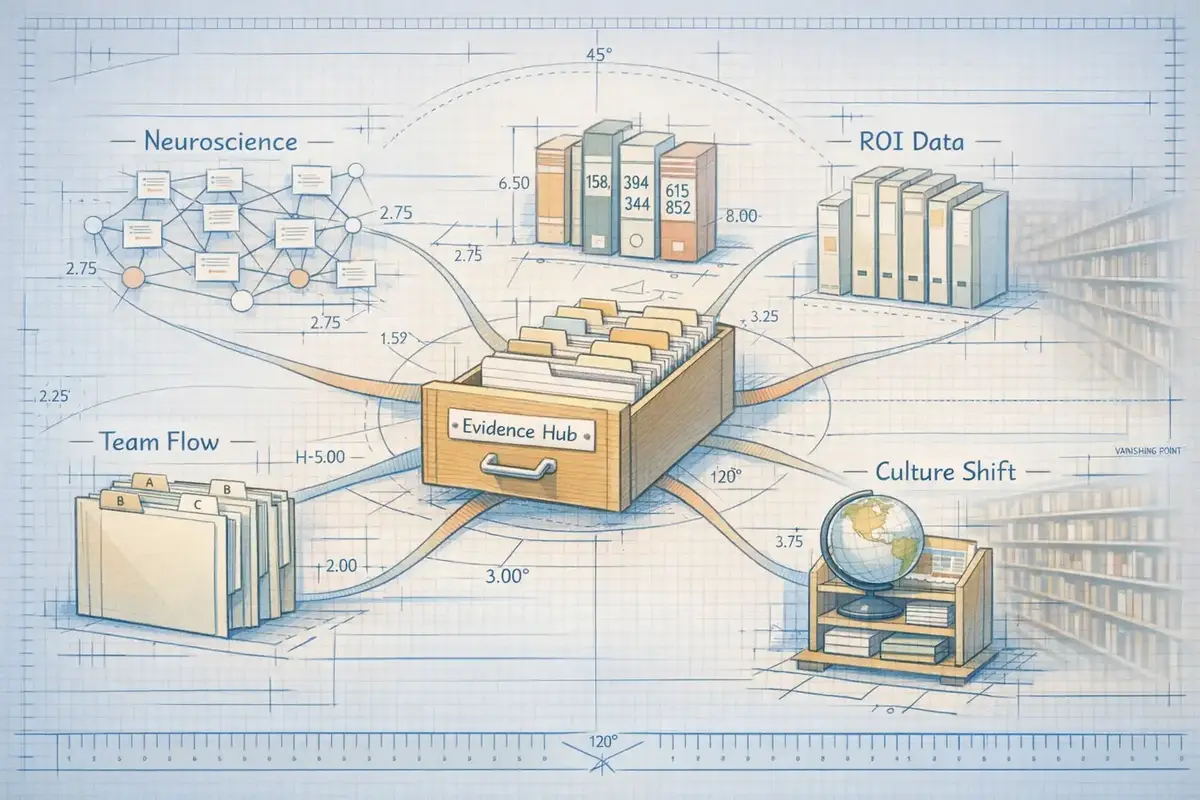
How can an integrated coaching approach improve executive performance and team dynamics?
Integrated coaching goes beyond episodic workshops, offering a developmental arc that equips leaders to self-observe, reframe, and adapt in real time. Integral Coaching models, for instance, draw on evidence and practice to build long-term psychological flexibility and emotional intelligence—a cornerstone of top-performing teams.
A typical sequence might include:
- Coaching discovery sessions, using both interviews and validated assessments, to surface stress triggers, leadership patterns, and relationship dynamics.
- Tailored micro-interventions and reflective routines—ranging from structured journaling to value re-alignment work.
- Feedback and measurement cycles, applying 360° team and leader input to calibrate progress and reinforce mutual accountability.
These approaches foster trust, transparency, and a bias toward action—qualities essential for high-pressure roles. For COOs and senior executives, custom leadership development programs address nuanced leadership challenges, supporting sustained presence and composure under operational strain.
Which best practices help build cohesive and high-performing leadership teams in complex business environments?
Simply enrolling a team in a wellness program is not enough. Best-in-class outcomes come when organizations:
- Establish clear leadership values and behavioral expectations, reinforced through regular training and self-reflection (see Purpose-Driven Leadership & Values Integration)
- Integrate emotional resilience workshops and team coaching frameworks into day-to-day operations and leadership pipelines (Building Emotional Resilience)
- Use objective team coaching methodologies to align strategic goals, clarify roles, and optimize communication (Integral Team Coaching)
High-performing teams consistently debrief and iterate. They use well-being analytics, psychological safety audits, and immediate feedback loops (digital or analog) to remain responsive and innovative, especially during rapid market shifts or organizational change.
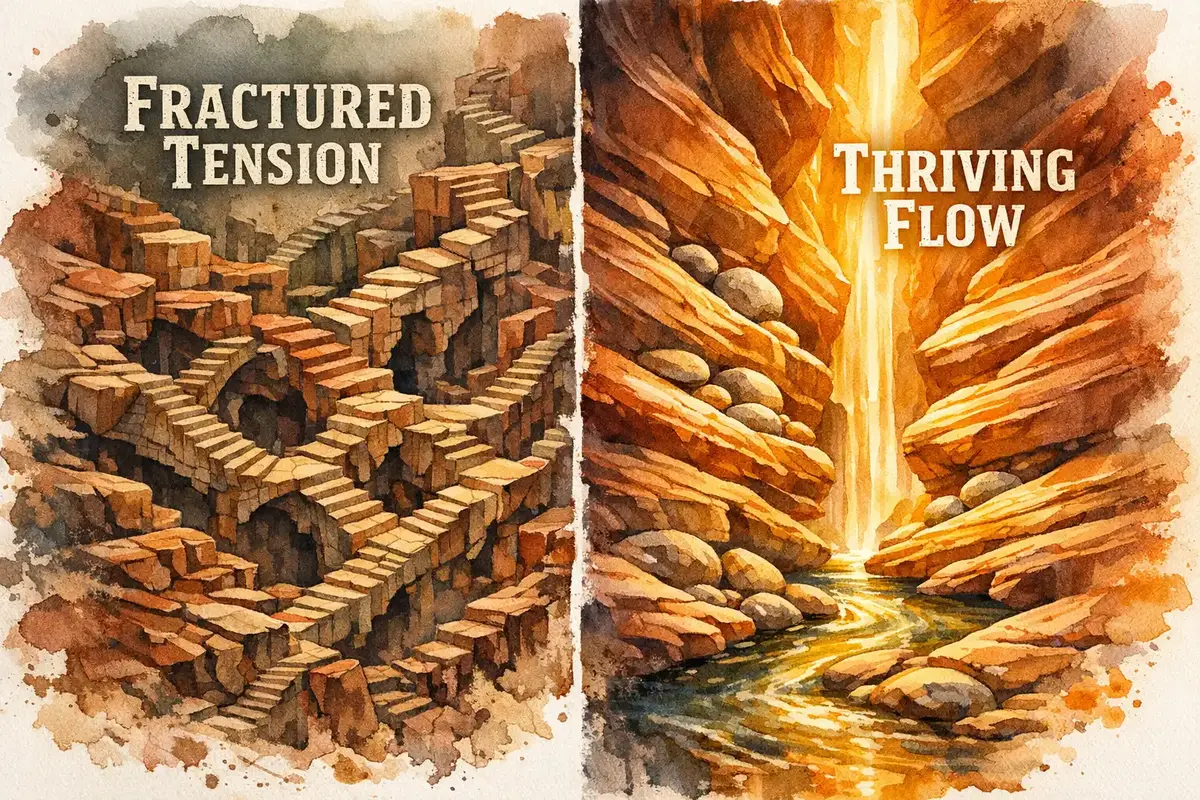
One original angle here: resilience isn’t the absence of stress, but the presence of well-practiced recovery habits and the relational trust to navigate uncomfortable conversations. Organizations often overlook the latter—yet this is what differentiates teams that thrive from those that burn out or fracture during high-stakes moments.
Creating a Low-Stress Work Culture: From Policy to Practice
Establishing a truly low-stress work environment is a strategic, organization-wide project—not a one-off initiative. Evidence-based frameworks that succeed at scale include:
- No-Meeting Days and Deep Work Blocks: Formal policies that designate focused, interruption-free time, boosting clarity and trust in leadership priorities.
- Resilience Check-Ins and Peer Support Circles: Scheduled opportunities for teams to share stress signals early, reducing stigma and normalizing help-seeking behaviors.
- Digital Well-being Tracking: Using advanced tools and AI systems to monitor collective mood, energy, and engagement, generating actionable data for leaders (AI Leadership States & Consciousness).
Cultural transformation here means more than providing resources; it’s about embedding proactive behaviors into leadership routines, feedback systems, and rewards architectures. Grounded in the integral model, this approach treats mindfulness and resilience as core organizational competencies linked directly to business outcomes.
Measuring Success: KPIs, Engagement, and Long-Term Resilience
For mindfulness and stress management programs to move from “nice-to-have” to business-critical, measurement must be robust and transparent. Best practice organizations track:
- Engagement rates in mindfulness routines (attendance, completion, qualitative reflections)
- Absenteeism, turnover, and productivity metrics before and after interventions
- Self-reported stress and resilience levels, segmented by leader and team (Self-Spectrum Analysis)
Over time, leading firms add cross-sectional and longitudinal studies, tracking not just the reduction of negative states but the amplification of positive ones—focus, team innovation, and decision speed. The use of benchmarking and ongoing feedback allows organizations to recalibrate quickly, ensuring that programs remain responsive to evolving pressures and leadership realities.
Can tailored development interventions effectively sustain long-term culture change?
Sustaining culture change around stress management and mindfulness requires more than an enthusiastic rollout—it demands iterative customization, leadership buy-in, and integration of feedback loops. Tailored interventions, grounded in continuous assessment and adaptive learning, can maintain behavior change and reinforce new norms.
Organizations that succeed in this area typically:
- Align their interventions with organizational purpose and leadership values (From Mind to Heart to Soul)
- Use narrative and data to reinforce the “why” behind culture change, not just the “how”
- Build in periodic re-assessment—leveraging program analytics, employee feedback, and KPI tracking to fine-tune strategy
This approach not only sustains low-stress performance over time, but also helps identify emerging risks, allowing organizations to intervene before negative patterns become entrenched.
Case Studies & Implementation Stories
Case examples provide essential validation for decision-makers comparing solutions, yet most market content offers only generic anecdotes. Within comprehensive integral programs, sector-specific stories have shown:
- Senior executive teams in hybrid environments sustaining a drop in stress indicators on key assessments after 3 months of tailored micro-practice integration—particularly when leadership modeling was consistent.
- Fast-growth technology companies using digital mindfulness dashboards to tie employee mood to sprint forecasts, reducing ambiguity and improving team meeting efficiency.
- Cross-cultural project teams leveraging coaching-for-mindfulness approaches to reduce misunderstandings, boost trust, and streamline accountability rituals—critical in M&A or global expansions.
Drawing on over 40,000 hours of certified coaching practice, these examples underline the value of research-driven, context-aware solutions. Rather than relying on static content or generic digital apps, they show how adaptive, multi-level routines can be sustained in real-world, high-pressure business contexts.
Expert Insights/Q&A Panel
“Mindfulness is not a break from work—it’s the foundation for clear, courageous action in a volatile world. Leaders who treat well-being as organizational infrastructure—not an HR perk—see the biggest, most lasting shifts.”
Senior Integral Leadership Practitioner
Practitioners observing programs across industries note several points where interventions can falter:
- Over-reliance on passive content delivery (apps and videos), without leader modeling or feedback, leads to shallow engagement.
- Failure to customize routines for cultural context or specific leadership roles undermines credibility and buy-in.
- Lack of alignment between wellness programs and values-based leadership behaviors limits systemic impact.
The future of stress management and mindfulness for leaders points toward dynamic, digital-plus-human integration—combining real-time analytics, tailored coaching, and culture-centric frameworks. True impact comes from persistent measurement, adaptive routines, and senior leadership as visible champions of transformation.
FAQ: Mindfulness & Stress Management for Leaders & Teams
What are the most credible benefits of mindfulness for business leaders and teams?
Meta-analyses and large-scale organizational research consistently show that mindfulness training reduces stress, improves focus, and reduces absenteeism. For example, organizations have reported 15–20% gains in productivity and measurable reductions in reported stress among leaders (Source: Deloitte, The Mindfulness App).
How quickly can mindfulness practices have an impact on team well-being?
Some interventions demonstrate meaningful results in as little as 30 days, with peer-reviewed sources reporting up to a 32% decrease in perceived stress from daily guided mindfulness routines (Source: Headspace).
Is stress management just for individuals, or does it require team-wide adoption?
While individual benefits are significant, sustainable change is achieved when entire teams and organizations adopt shared mindfulness routines, values, and practices. Integrating these habits into everyday workflow and aligning them with team objectives creates a culture of resilience.
How can organizations measure the ROI of mindfulness and stress programs?
Critical metrics include productivity rates, absenteeism, turnover, employee engagement, and self-reported stress. Benchmarking before and after implementation, using tools such as Self-Spectrum Analysis, provides tangible evidence of progress.
What is the risk if mindfulness and well-being programs are not tailored?
Generic programs can result in low engagement, minimal trust, and limited core behavior change, especially among high-performing or cross-functional teams. Custom-tailored initiatives, grounded in organizational needs and leadership context, drive much deeper impact.
How does senior leadership participation influence program results?
When leaders actively participate, model key behaviors, and integrate mindfulness into their regular routines, organizational adoption and culture change accelerate. Leadership commitment is the strongest predictor of long-term program sustainability.
Are digital and AI tools enough for supporting mindfulness at scale?
Digital platforms provide necessary accessibility and reminders, but research and experience indicate that tools are most effective when combined with human facilitation, regular feedback, and integral coaching. Blended approaches are the future of resilient, low-stress organizational culture.
Continue Your Leadership Journey
Mindfulness and stress management for leaders and teams is not about adopting another workplace fad—it is about creating the conditions for clarity, innovation, and resilience at every level of the organization. By leveraging integrated methodologies, research-driven routines, and purposeful measurement, future-ready organizations move beyond burnout prevention to foster sustainable, high-performance cultures capable of turning uncertainty into opportunity.
For strategic frameworks, practical tools, and deeply customized programs that align with your organizational vision and leadership development needs, explore The Integral Institute’s Mindfulness & Stress Management for Leaders & Teams offerings.